REMEMBERING THE FUTURE
About the Research
What happens when we approach the future not only as something to imagine, but as something to remember?
Remembering the Future is an artistic research project exploring the relationship between memory, imagination and the social life of futures in the context of the Colombian peace process. Departing from the promise of peace articulated in 2016, the research investigates how futures that have yet to materialise can acquire presence, materiality and collective significance.
Through participatory encounters with members of the Colombian diaspora, the project explores when peace is expected to arrive, what it might look like, and how it might be experienced in the intimacy of everyday life. These encounters bring together personal histories, political expectations, desires and uncertainties, revealing how imagined futures are shaped by lived experiences and geographical displacement.
Combining participatory performance, gaming, image-making and immersive environments, the research creates situations in which imagined futures can be experienced, inscribed, circulated and revisited. Rather than attempting to predict the future, these artistic operations investigate the conditions through which it might become an object of individual and collective remembrance.
At its core, Remembering the Future explores how futures inhabit the present, how they travel between people, places and media, and how artistic practice might transform our relationship with what has not yet happened..
Reading the Archive
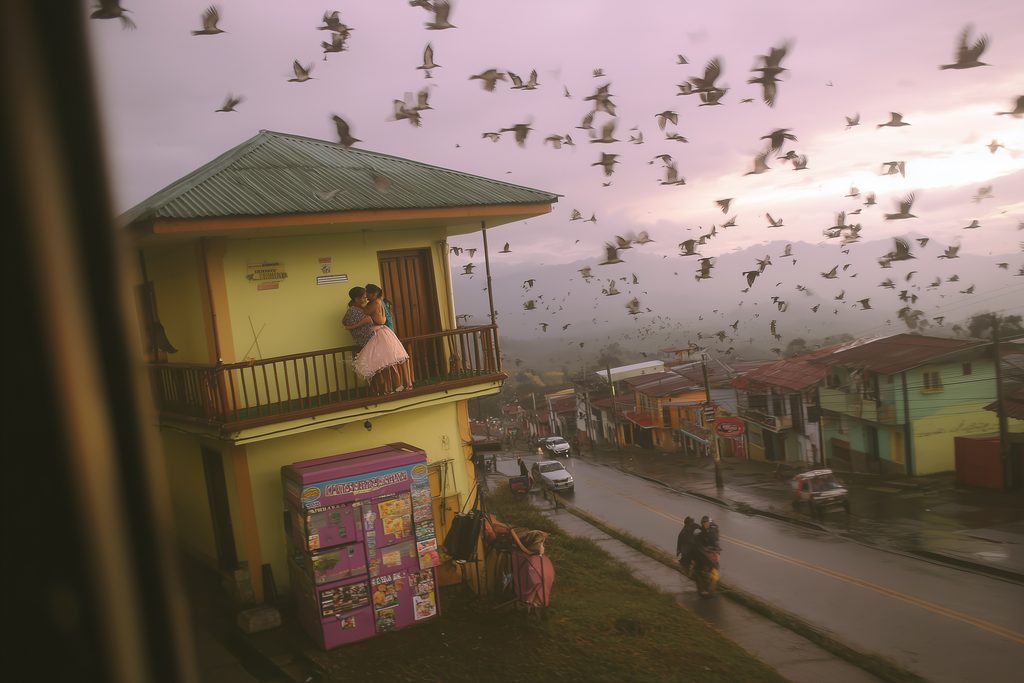
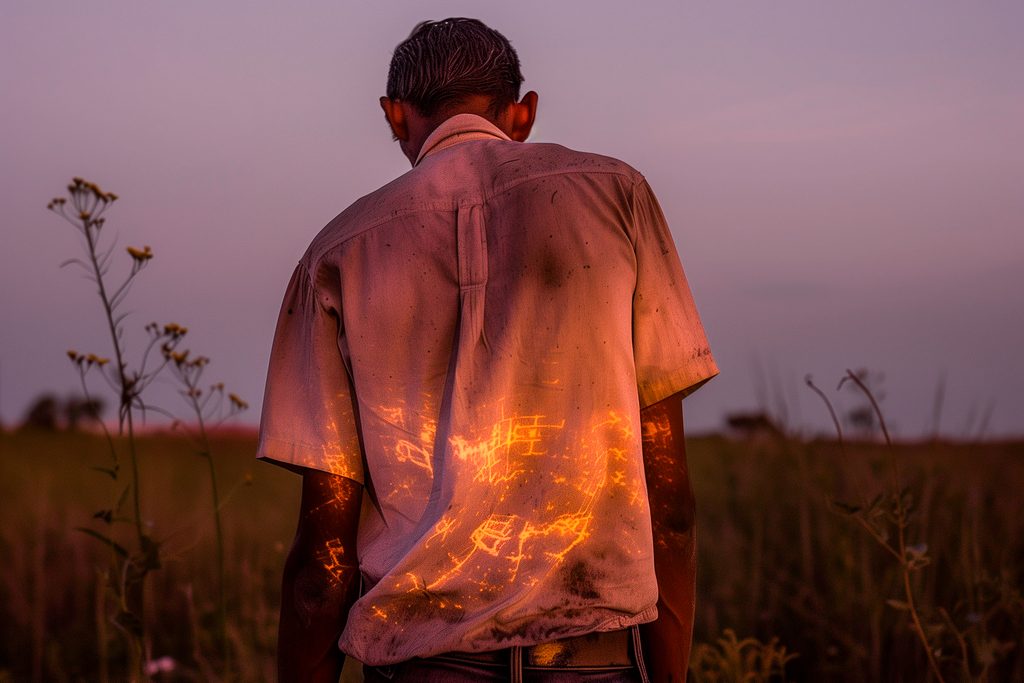
This page offers a brief selection from the wider Remembering the Future research archive, bringing together images and texts developed from interviews with members of the Colombian diaspora about the futures they imagine for Colombia.
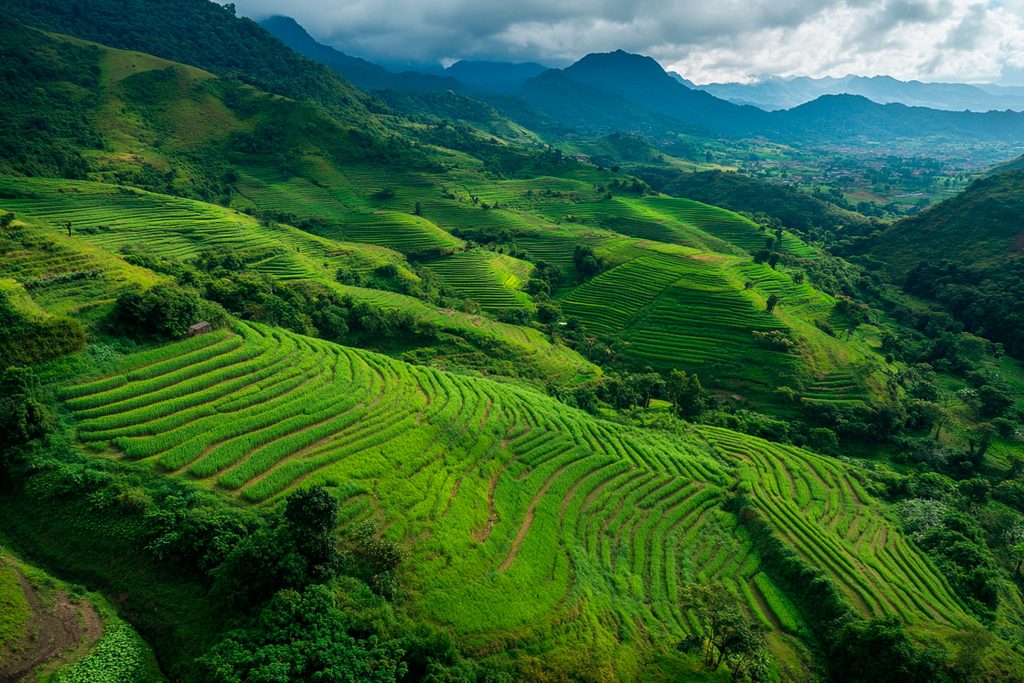
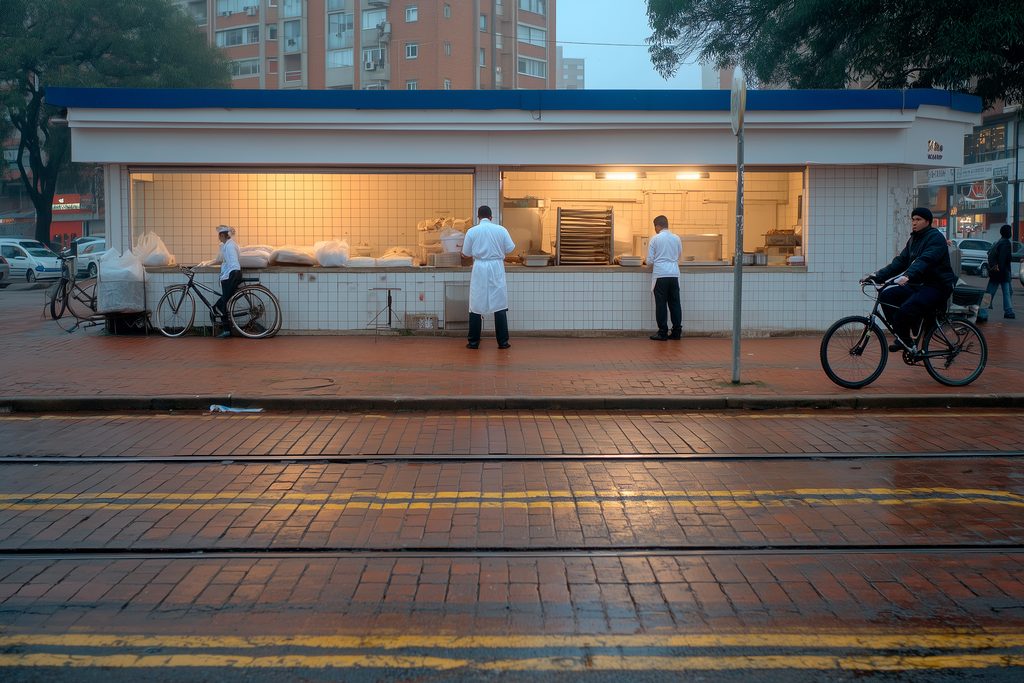
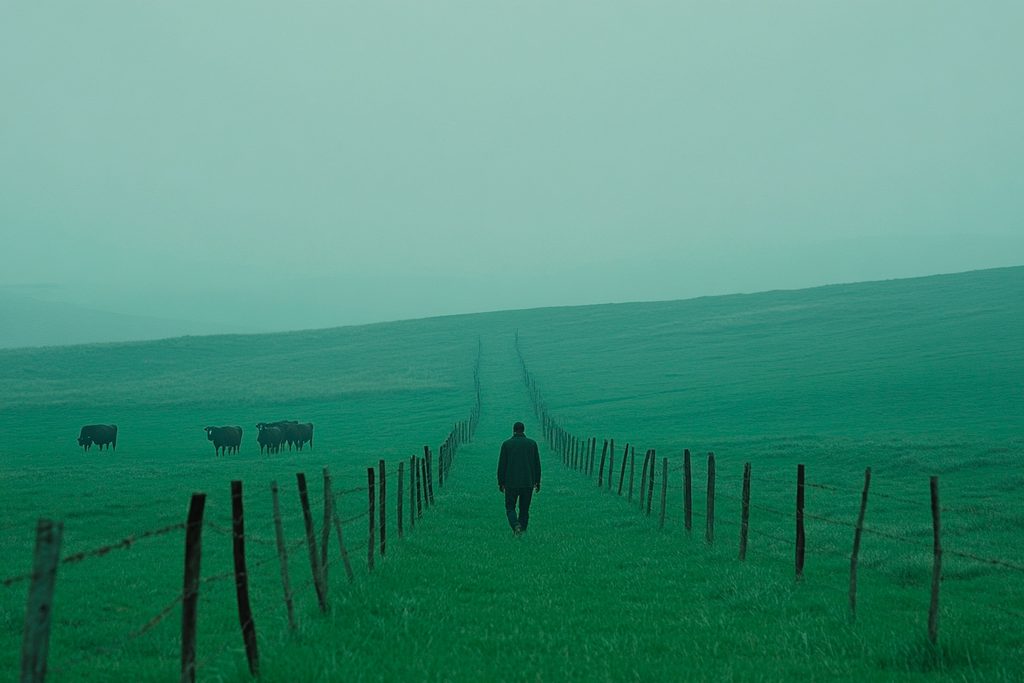
Each sequence combines AI-generated images, short passages developed from the interview material, and contextual information: the participant’s age, year of migration, country of residence, and imagined future year or period.
These futures unfold through everyday scenes, bodily sensations, and social encounters. Read together, the texts and images explore how peace might be lived and felt, alongside the tensions and inequalities that participants imagine may persist.
Explore and Participate
Future Year
A shared year and countdown calculated from the median of the years participants propose as horizons for peace in Colombia. This year changes as new responses arrive, bringing different temporal expectations into one collective reference.
Collective Metrics
Explore how participants’ imagined futures relate to time, their own lifetimes, peacebuilding, and migration. Charts and maps show the distribution of future years, participants’ expectations of living to see them, their imagined roles in peacebuilding, and their territories of origin and residence. These aggregated responses provide a collective context for the archive, preserving differences rather than implying consensus. They are situated readings of imagined futures, not predictions or official projections.
Participate
Contribute your perspective through KAIROI, the project’s interactive tool. Each participation updates the collective metrics and recalculates the median future year and its countdown. Together, these contributions continually reshape the project’s collective picture of when and how peace might become part of everyday life in Colombia.
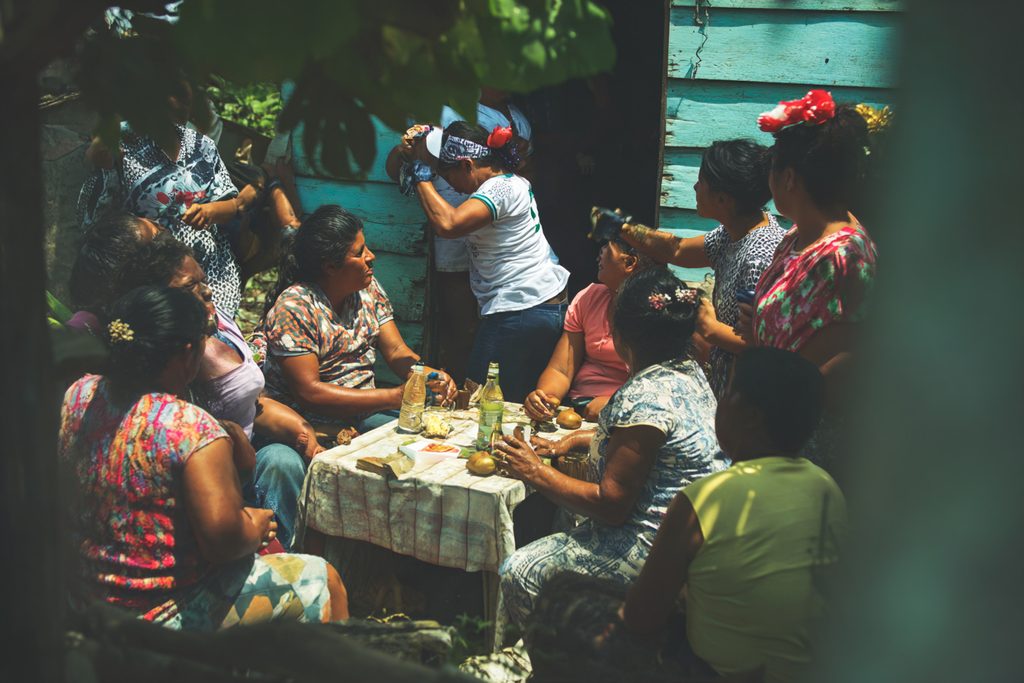
2060 | Migración 2001 | Edad 38 | Reside en Canadá
Nos tuvimos que ir muy rápido. Vendimos lo que pudimos en dos semanas. La gata se quedó. La despedida fue corta. Miami. En inmigración dijimos que íbamos a Disney. Era mentira, pero era necesario. El Greyhound. Un one-way ticket. Iba sola. Mucho miedo. La carretera interminable. Louisville. Detroit. El tránsito. Las caras desconocidas. El cansancio. Windsor. Cruzar la frontera. Freedom House. Un cuarto propio. Champú nuevo. Una biblioteca. Parece pequeño, pero ahí uno entiende que la dignidad también puede ser algo muy concreto; una cama, una ducha, un lugar tranquilo. London. Londombia. Empezar otra vida. Uno se va del país, pero el país no se va de uno.
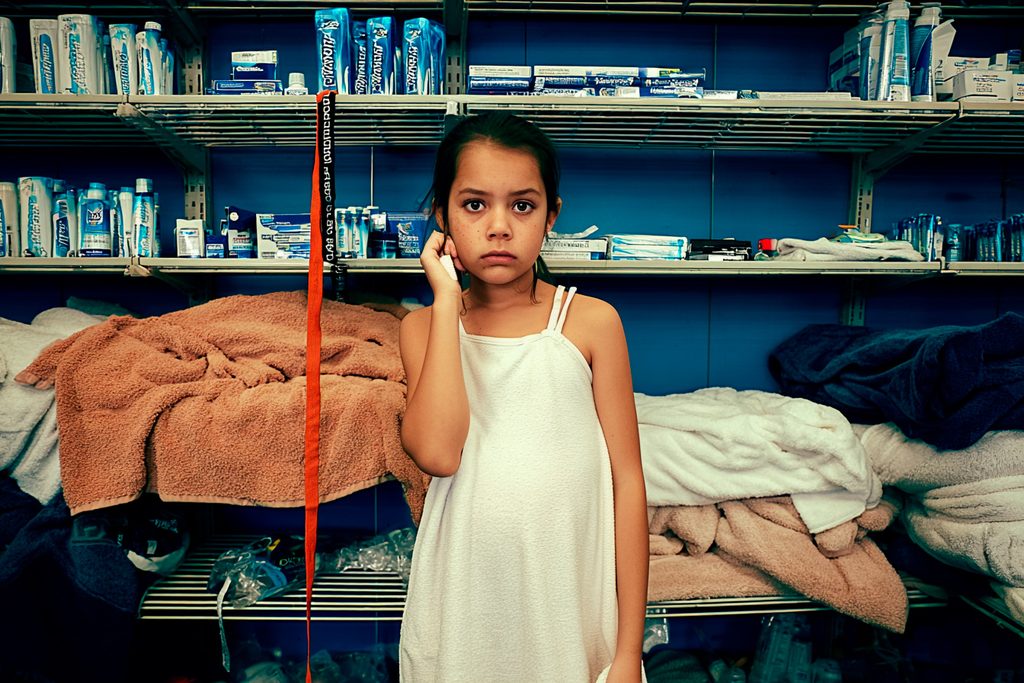
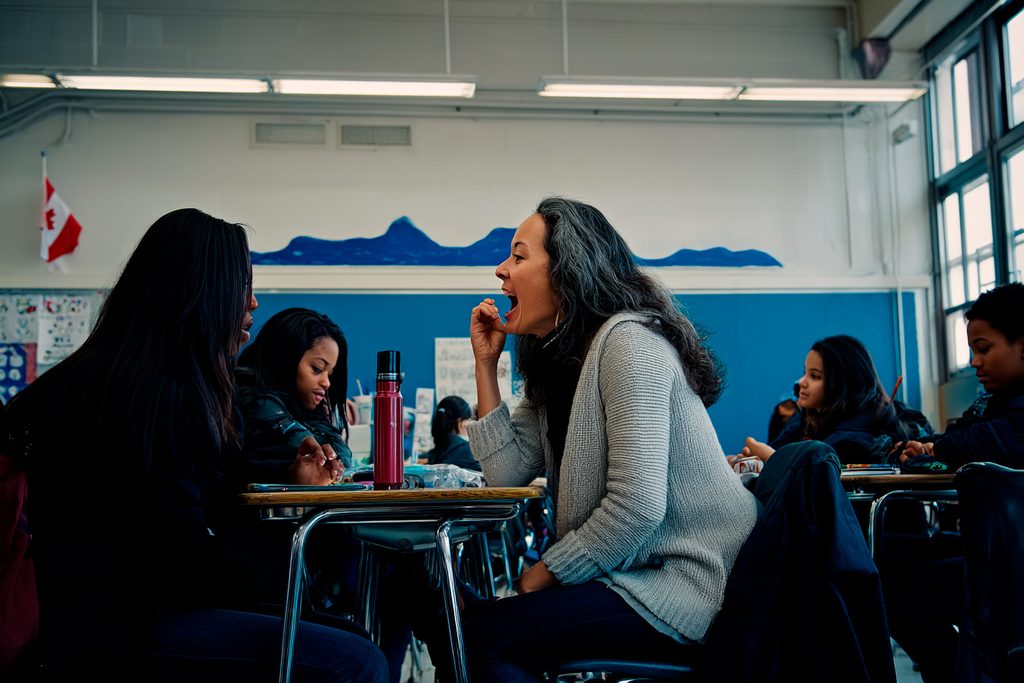
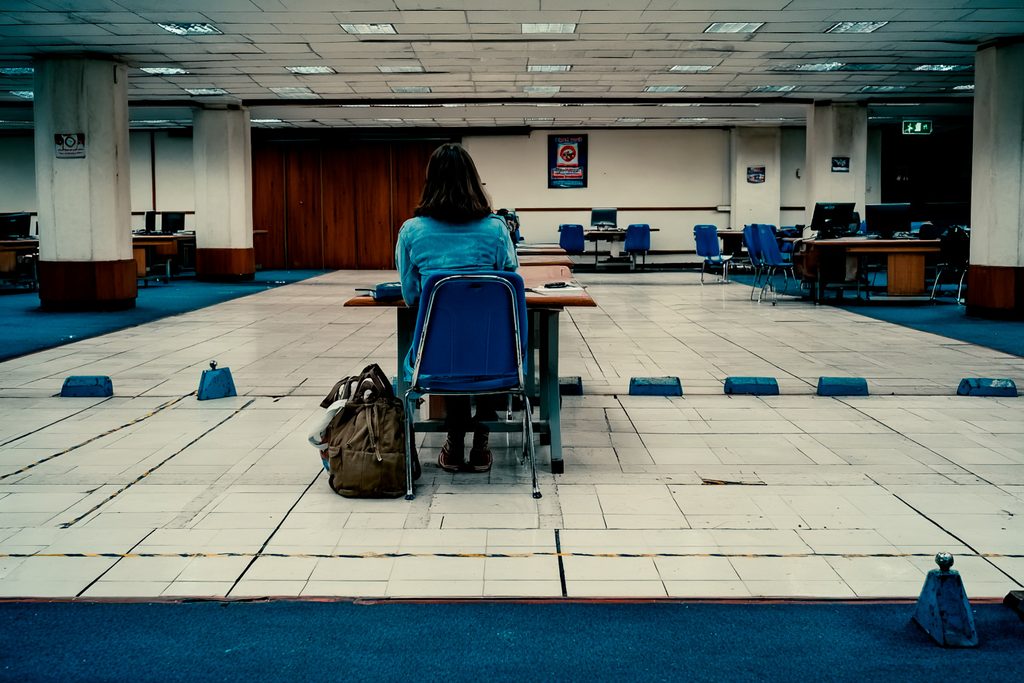
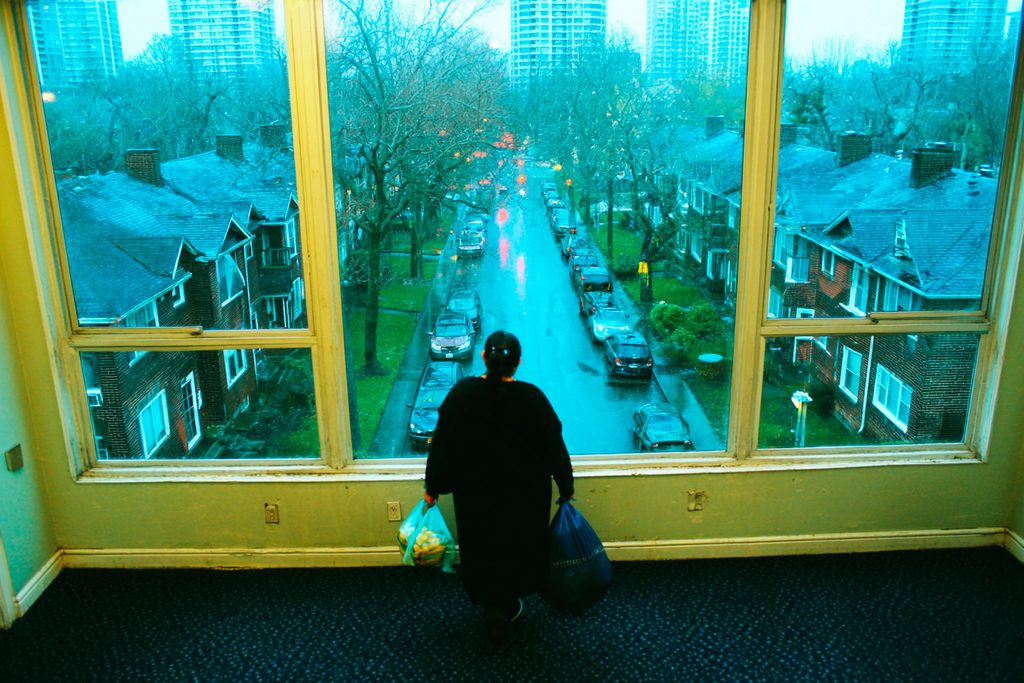
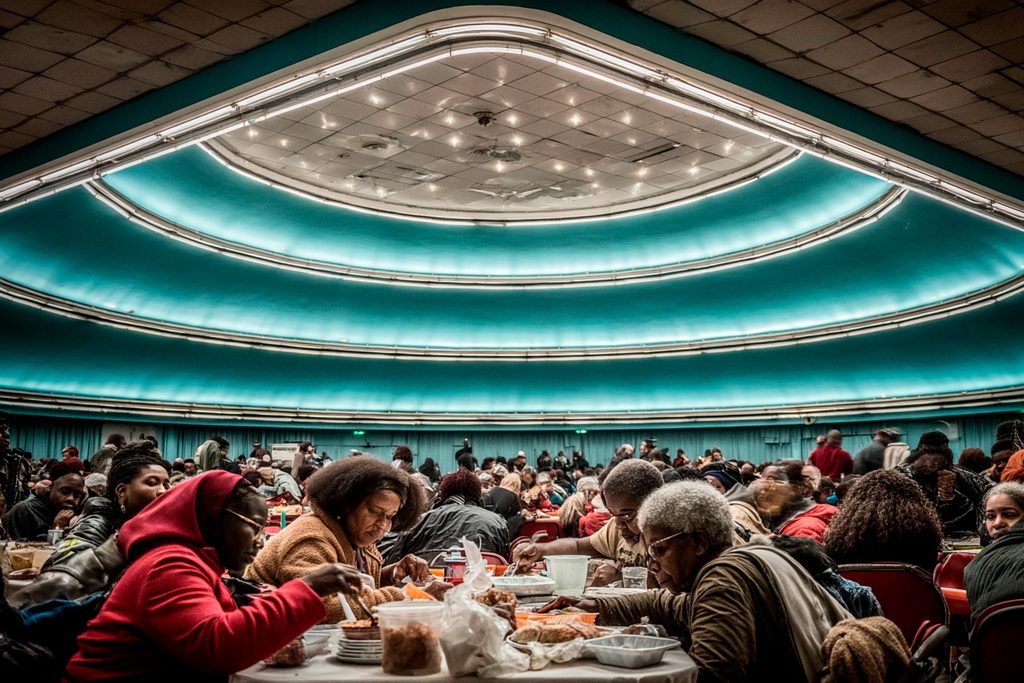
En el año 2060 amaré y odiaré Colombia. Será una relación muy ambivalente. Admiración y rabia. Orgullo y vergüenza. Nostalgia y cansancio. Ruidos. Extrañamiento. Y, al mismo tiempo, añoraré la calidez humana. La hospitalidad. La risa fácil. El pandebono caliente. La sorpresa bienvenida. La innovación infinita. Lo que nunca se resuelve del todo.
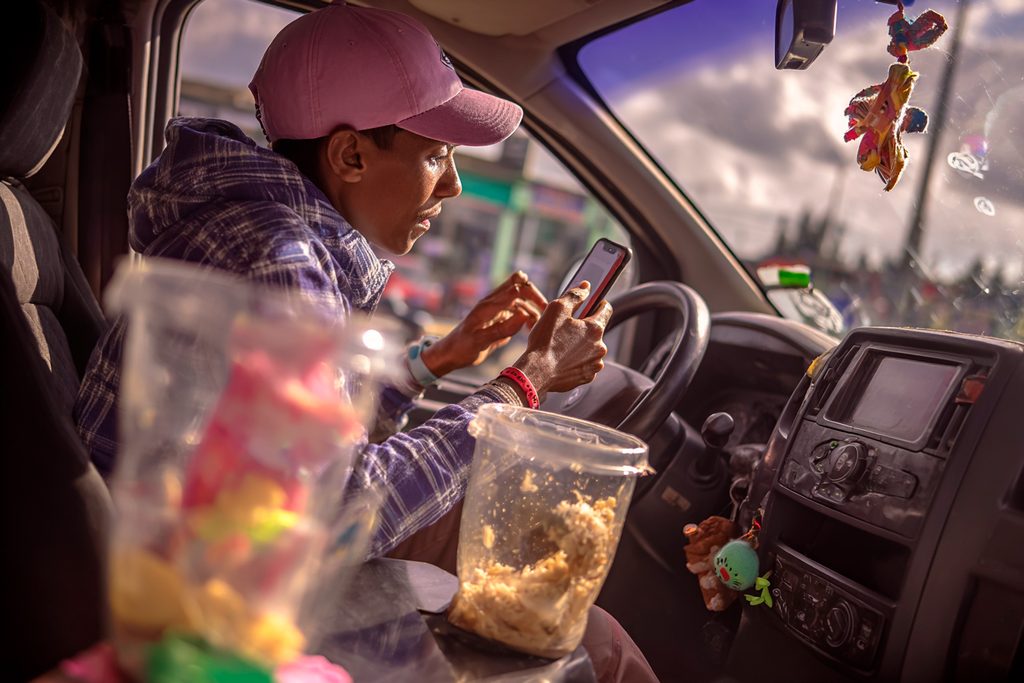
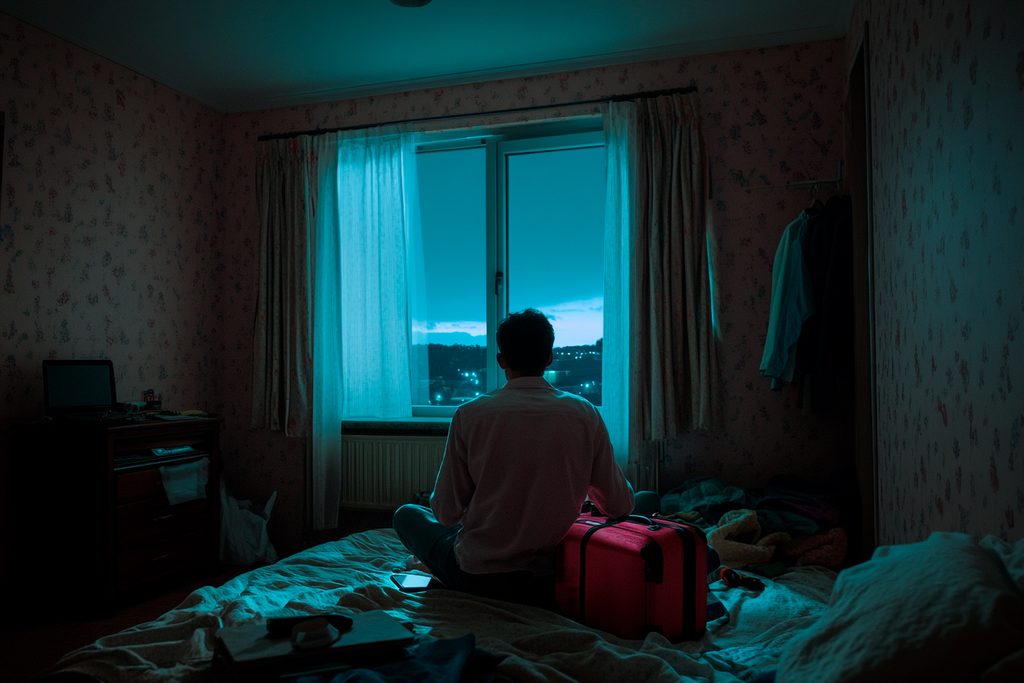
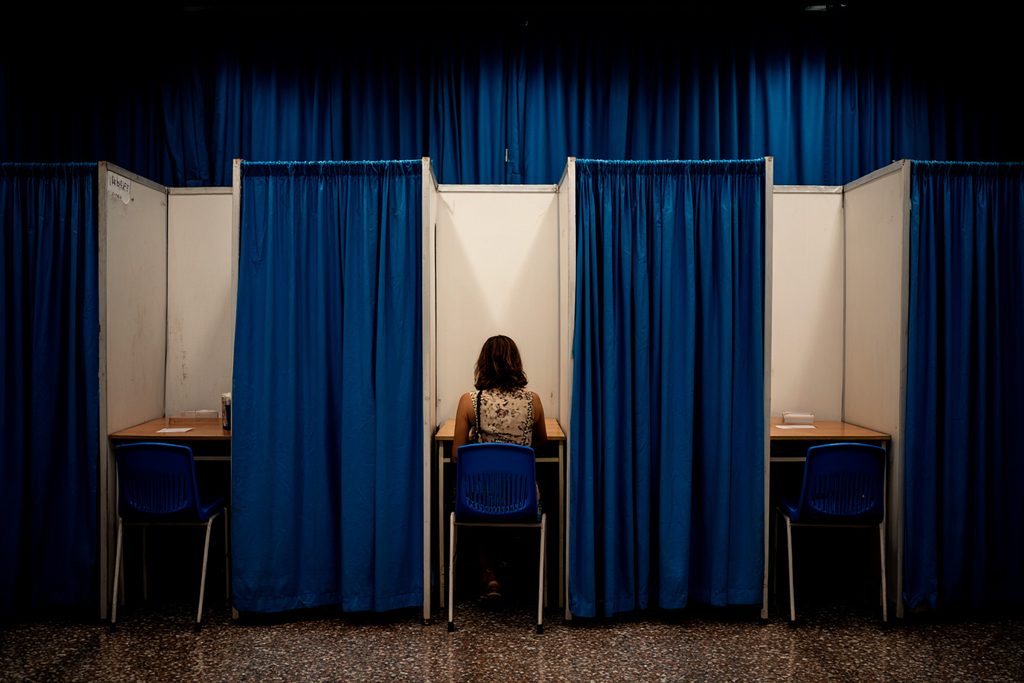
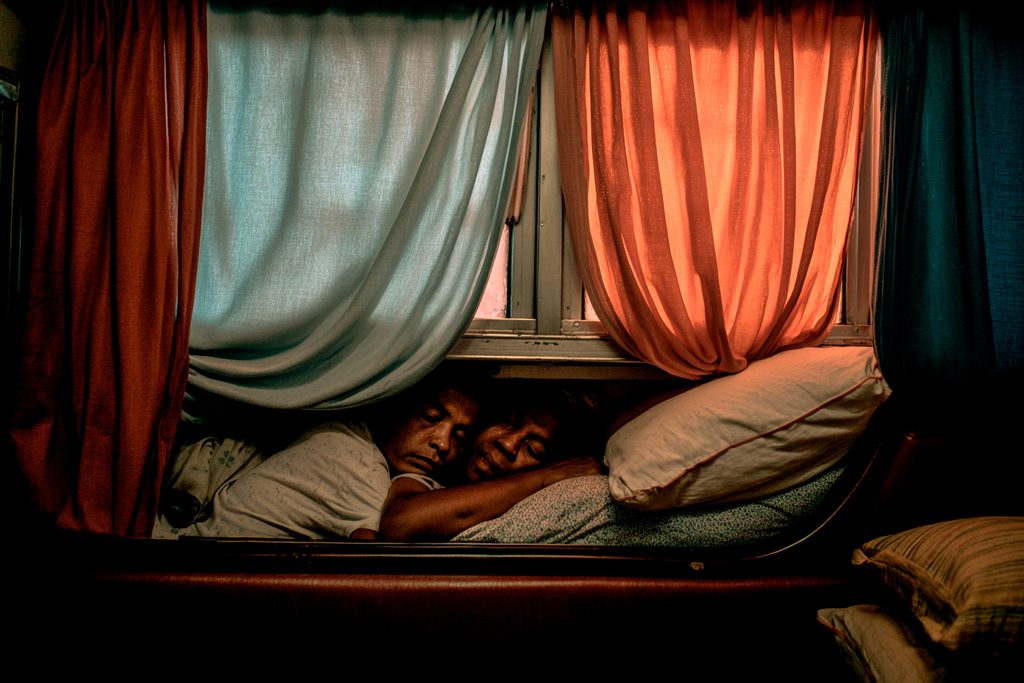
La violencia me habrá enseñado cosas. El cuerpo que aprende a protegerse. Sospechar. Callar. Filtrar. Resistir. Cuidar. A leer el ambiente. A medirlas palabras. A mirar primero quién está en la sala.
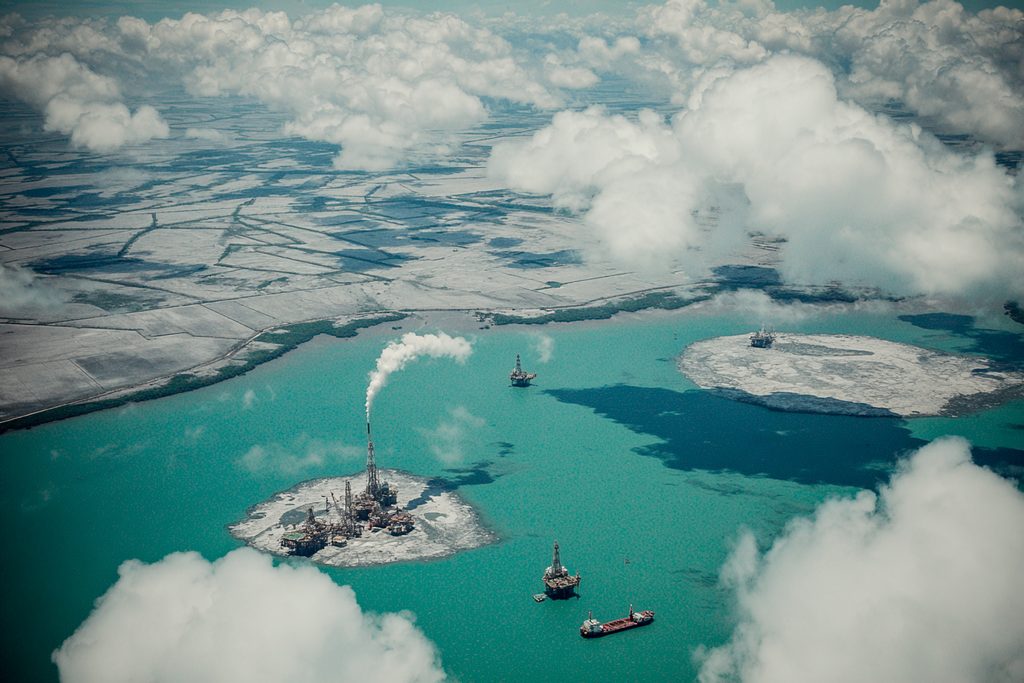
El protocolo de las niñas que se tiran al piso por si hay balacera. Los escoltas. Los simulacros. Las bombas en la ciudad. Las historias que se oyen todos los días. Uno crece con eso. Con esa tensión. Con ese pesar. La seguridad se vuelve una capa. Algo que el cuerpo lleva encima. El sonido que activa la memoria. Un estruendo. Una sirena. Un ruido fuerte. Y el cuerpo que reacciona antes de pensar. Ojalá.
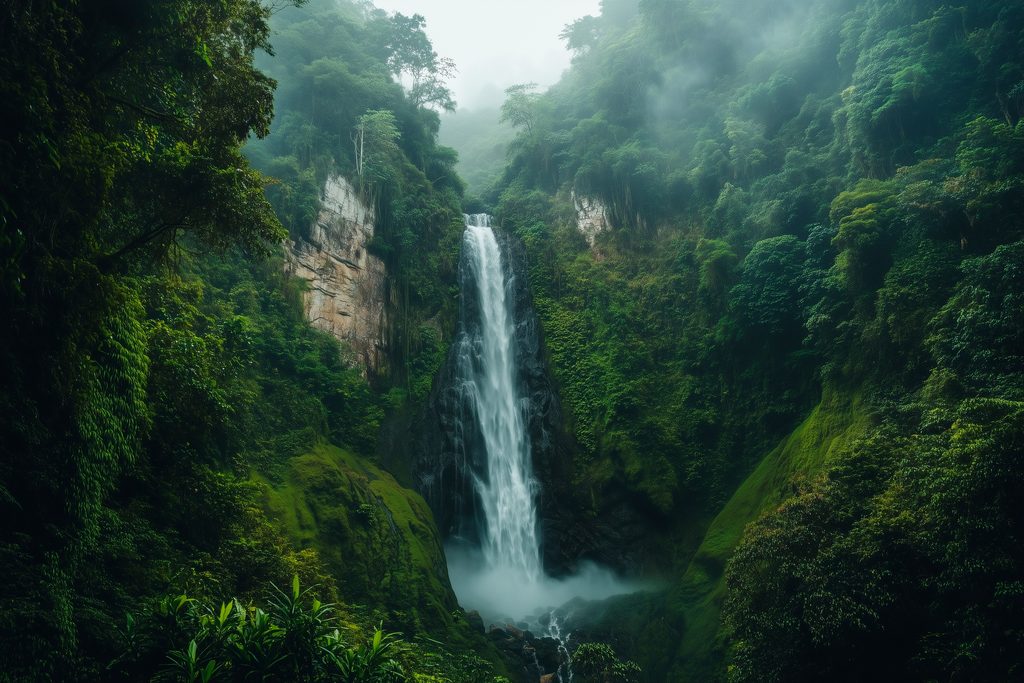
La diáspora tiene sus códigos. La gente se reconoce, pero no habla. Es una forma de cuidarse. Hablar demasiado puede exponer. Entonces uno calla. Es una complicidad silenciosa porque igual uno entiende. La gente se escanea. ¿En qué barrio vivías? ¿En qué colegio estudiaste? Ahí ya saben. Uno entiende rápido cómo funciona. Hay cosas que no se dicen. Cada quien carga su historia. Y uno aprende a convivir con eso.
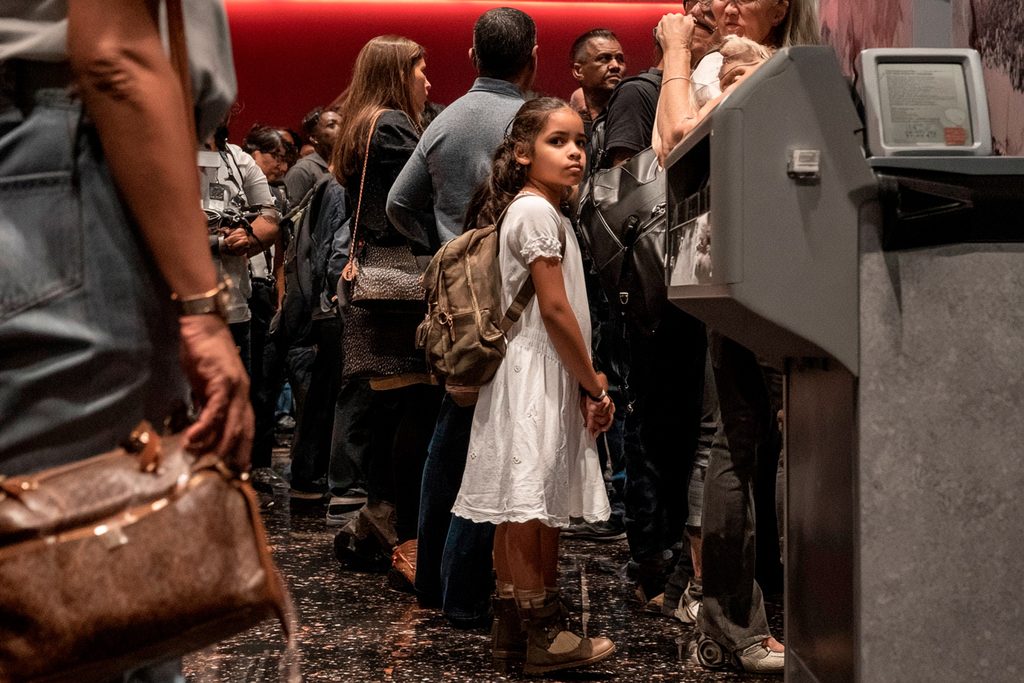
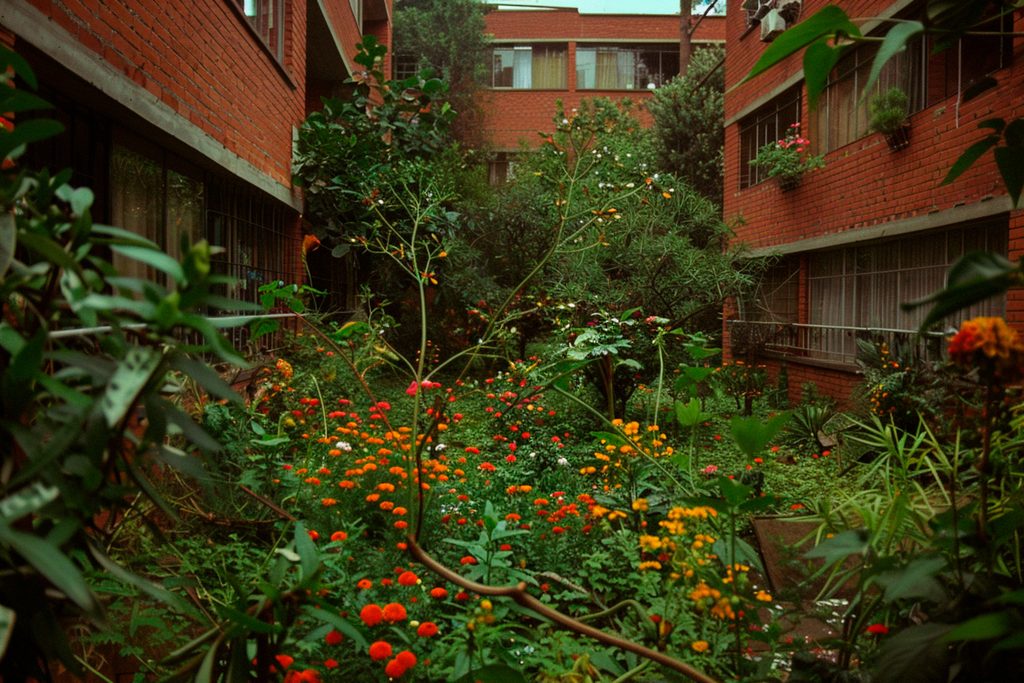
Un año entre el 2125 y el 2250 | Migración 2020 | Edad 36 | Reside en Canadá
Un año entre el 2125 y el 2250. Habremos dejado de oír hablar de camionetas negras que llegan en la noche. De limpieza social. De desaparecidos. De soldados malos escondidos en los bosques. De torres de energía tumbadas. De pescas milagrosas. De charlas y postulados comunistas. De helicópteros que no aterrizan. De soldados que bajan en cuerda. De calibres de armas. De minas antipersonas artesanales. De emboscadas. De minas de oro impresionantes. De vetas de oro más grandes que una persona. De prostitución. De presencia de grupos armados. De tiroteos. De alerta urbana. De atracos con revólveres.
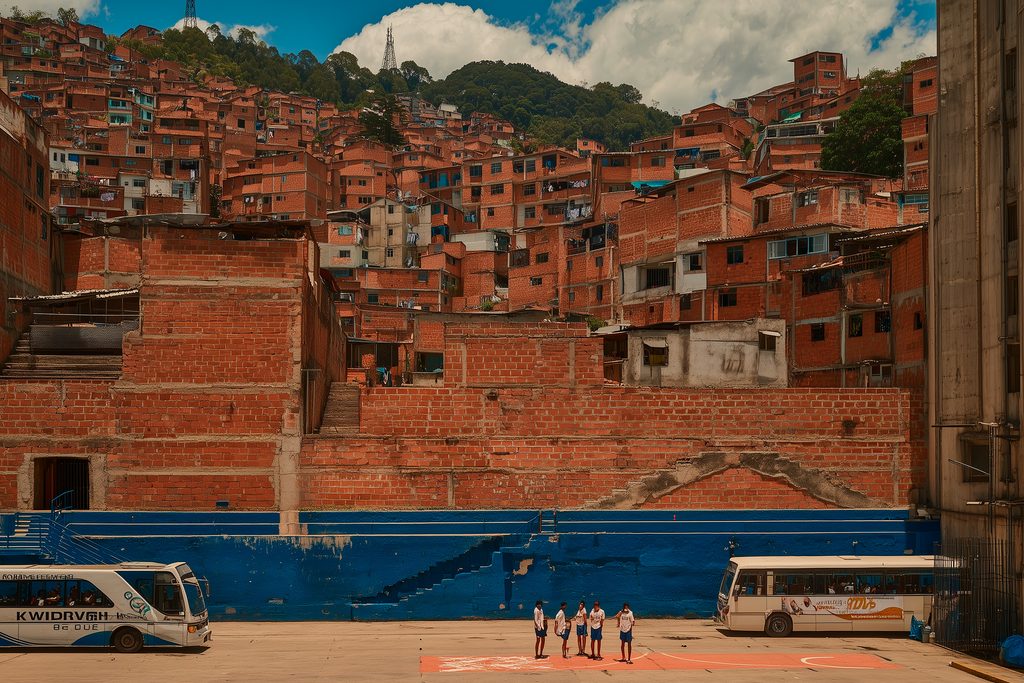
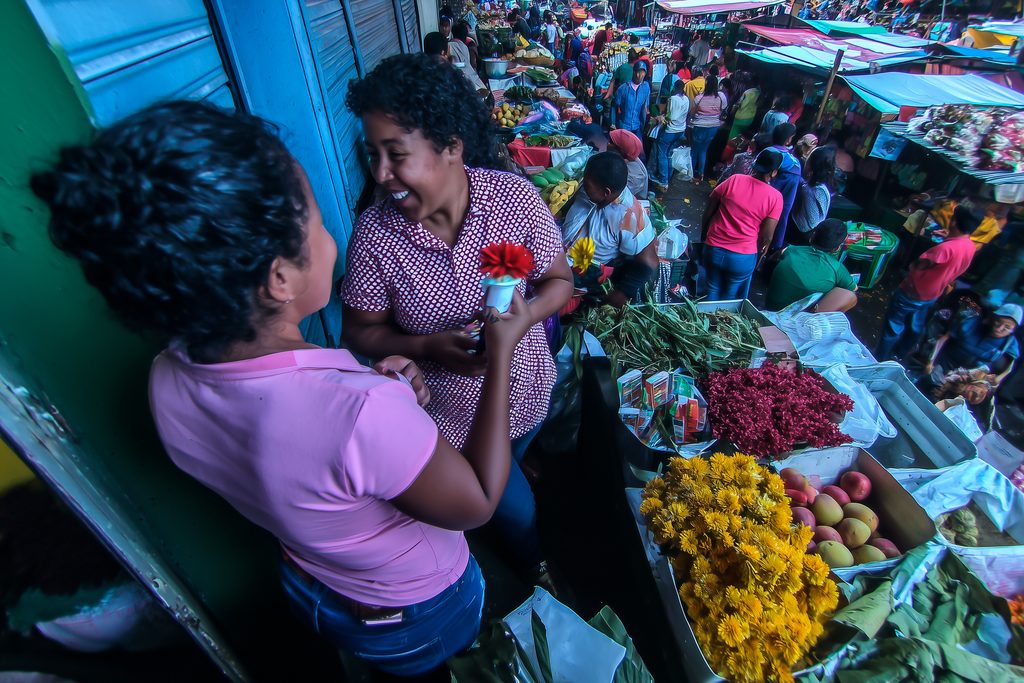
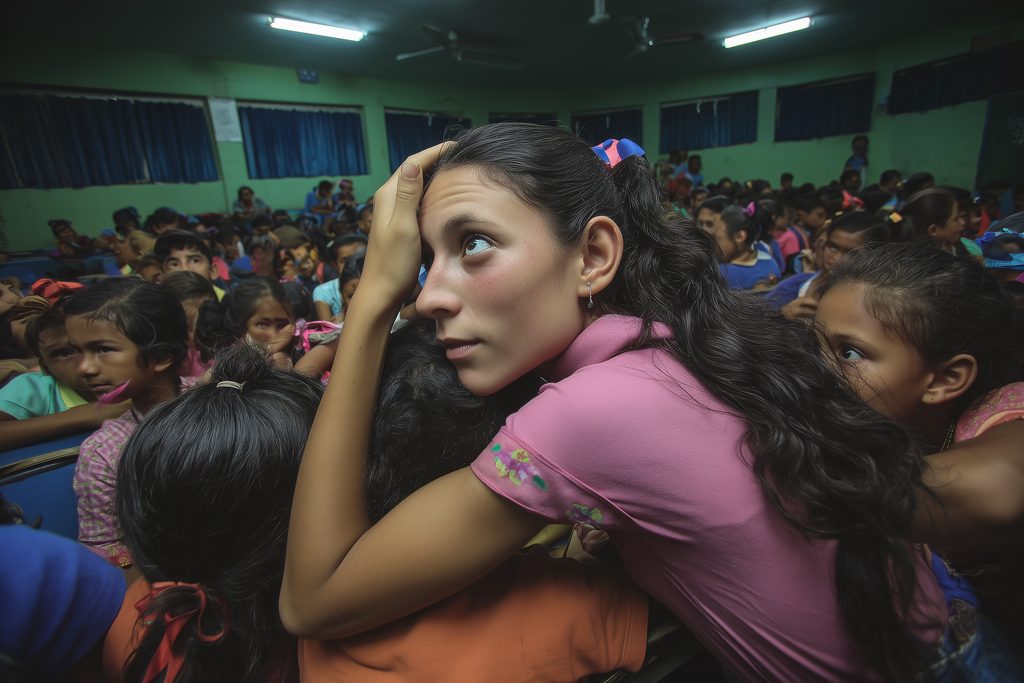
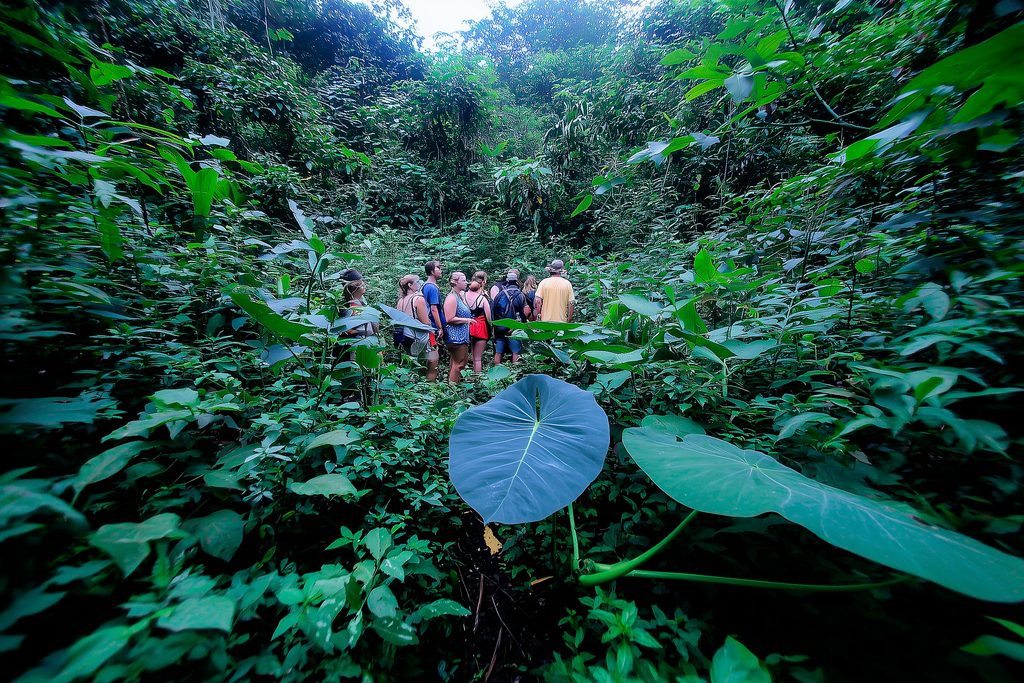
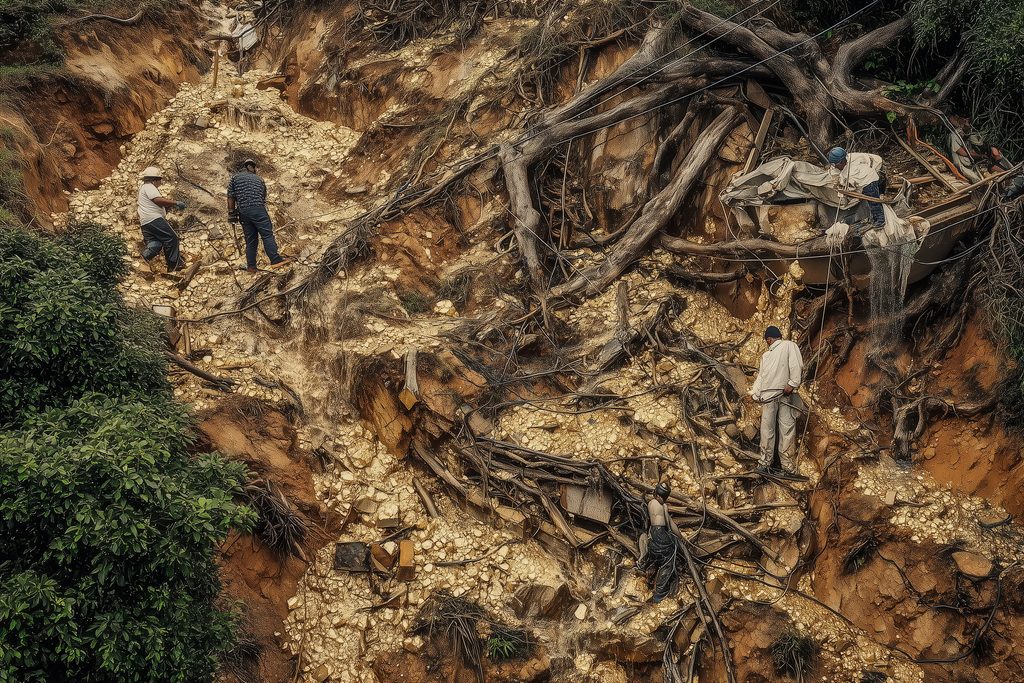
No soy optimista con el futuro. Puede aparecer otro conflicto, pero el camino hacia la paz sí se habrá empezado antes. Con menos polarización. Con menos amenaza mutua. Con más conversación. Con más dignidad cotidiana. Con recuperación del territorio. Con barrios donde se pueda caminar. Con chuzos famosos con filas interminables para comer. Con carreteras donde uno pueda parar tranquilo. Tomar un aguapanela. Comer una arepa de chócolo. Hablar de política en familia. Sin ofenderse. Sin romper relaciones. Sin el berraco clasismo. Sin racismo. Sin desconfianza estructural. Sin desigualdad material. Sin humillación social.
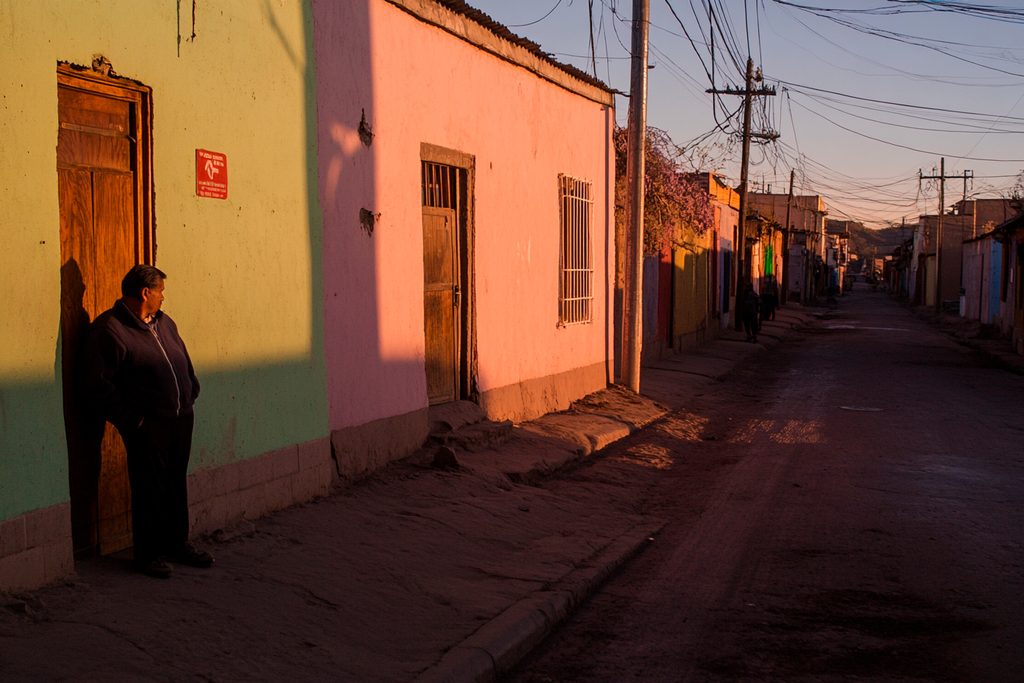
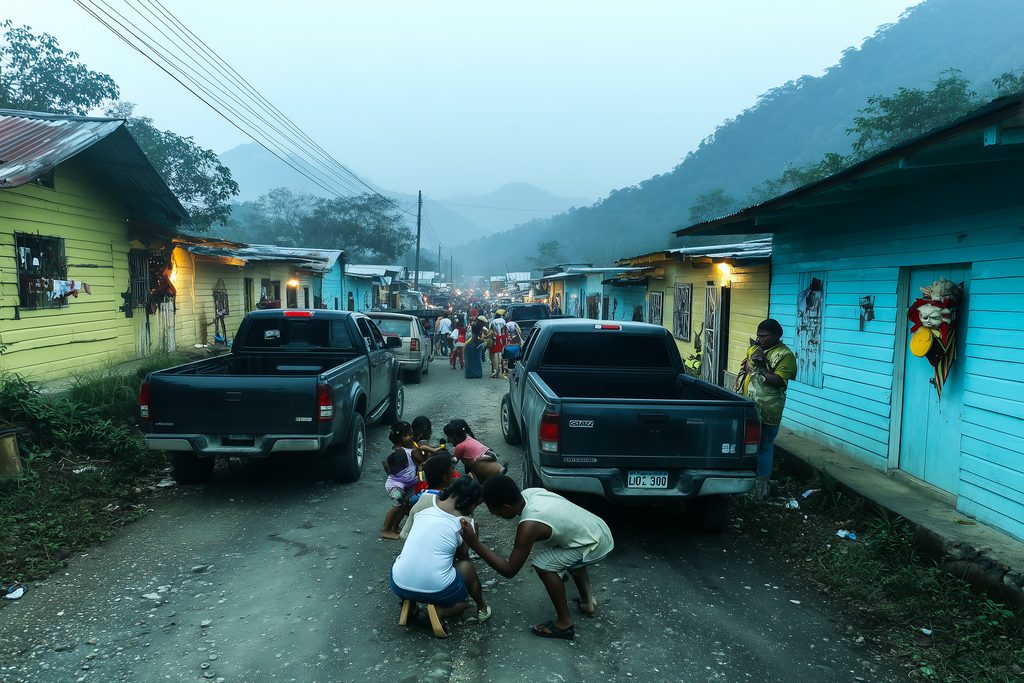
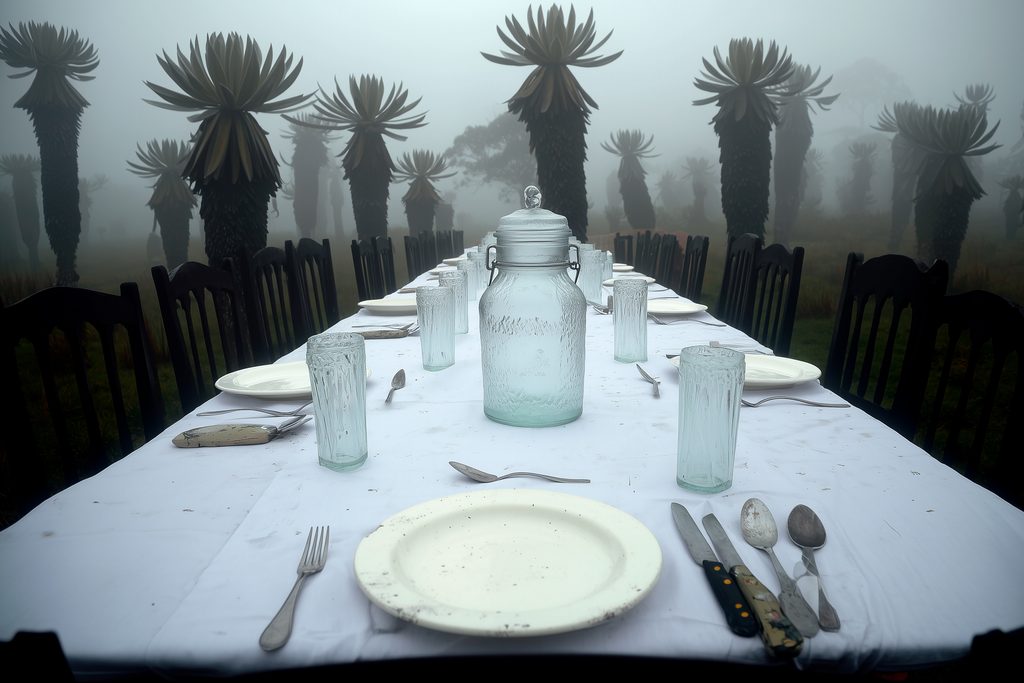
Se recordará para no repetir. Se aprenderá de los errores. Se tomarán fragmentos de memoria. Se construirá algo distinto. No se vivirá a la defensiva. Se podrá disentir. Allá por el siglo veintidós habrá silencios otros. Otras vergüenzas. Otras historias familiares que no se cuentan. Otros estigmas. Otros pactos silenciosos. Otras masculinidades. Otras frustraciones. Otros miedos acumulados. Otras heridas que no borrará la migración.