Linz, Austria, 2016–2017
Curatorial project / artist residency / exhibition / media platform
LINZIMPORT — A Linz–Bilbao Arts Connection
Architekturforum Oberösterreich — AFO
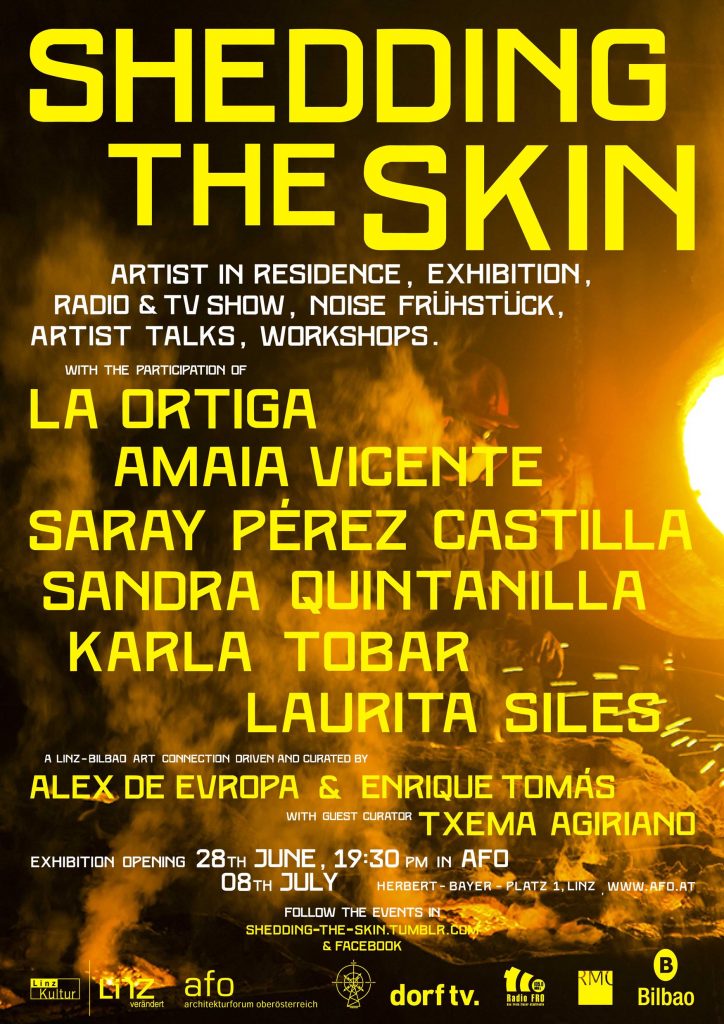
Shedding the Skin was a curatorial and artistic exchange project co-conceived, co-curated, and co-produced by Alex de las Heras and Enrique Tomás within the framework of LINZIMPORT 2016–2017, establishing a cultural connection between Linz and Bilbao.
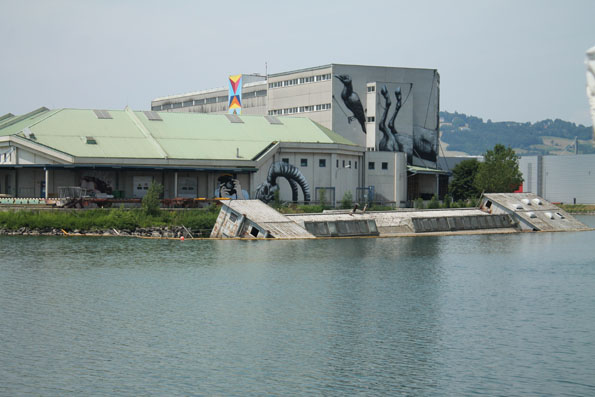
The project departed from a shared condition: two cities shaped by heavy industry, ecological damage, urban transformation, and the subsequent reinvention of cultural identity. From blast furnaces to titanium surfaces, from industrial infrastructures to creative economies, both Linz and Bilbao had undergone processes of symbolic and material renewal. Shedding the Skin approached this transformation not as a completed success story, but as a social, architectural, and artistic condition still being negotiated.
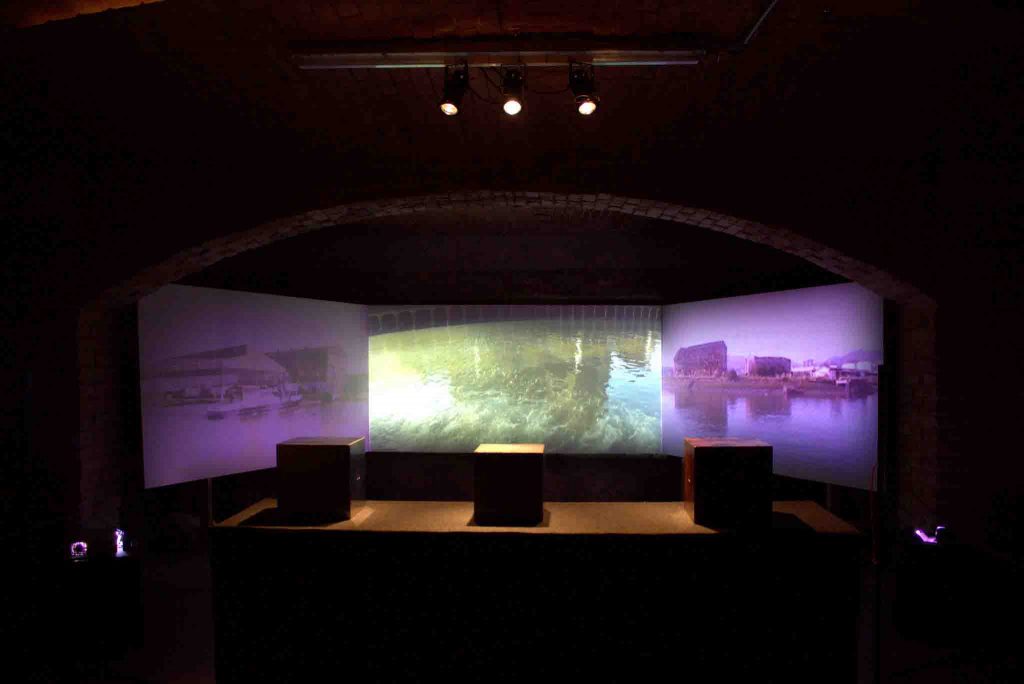
The project invited six experimental artists and a curator based in Bilbao to take part in an artist-in-residence programme in Linz, culminating in a large-scale exhibition at Architekturforum Oberösterreich — AFO. The artists developed new works using the facilities of the host institution, including audiovisual equipment, workshop spaces, kitchens, and production resources. The final exhibition occupied both the main hall and the basement of AFO, transforming the institution into a temporary platform for research, encounter, installation, performance, and public exchange.
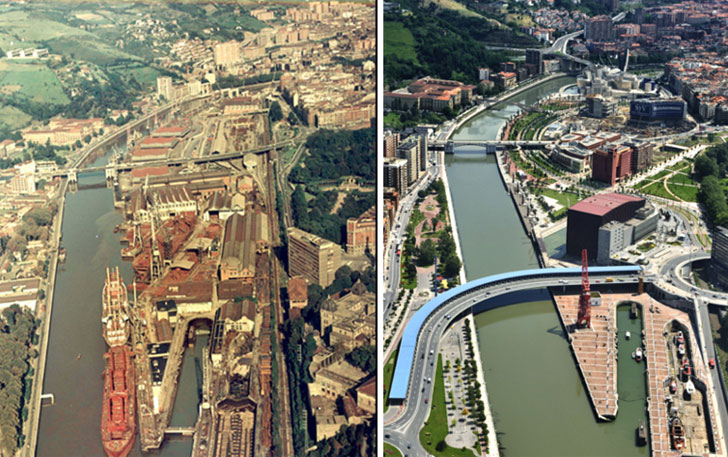
At its core, Shedding the Skin asked what happens to artists, cultural agents, and artistic production in a post-industrial society increasingly organized around media, services, regeneration, and creative culture. The project treated the city itself as an expanded field of inquiry: its architecture, river infrastructures, industrial memory, cultural institutions, and media ecologies became part of the curatorial process.
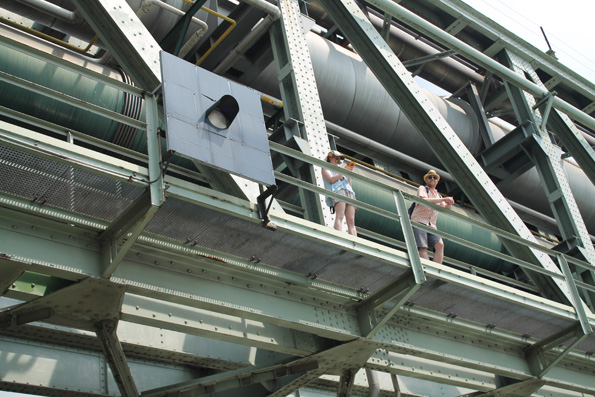
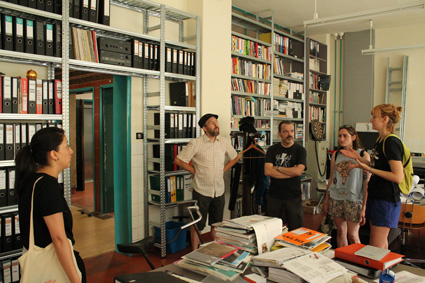
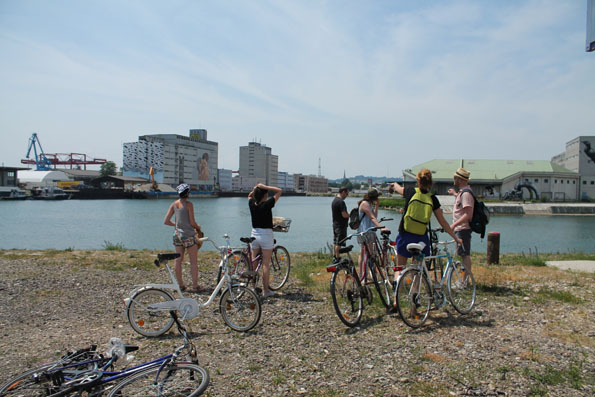
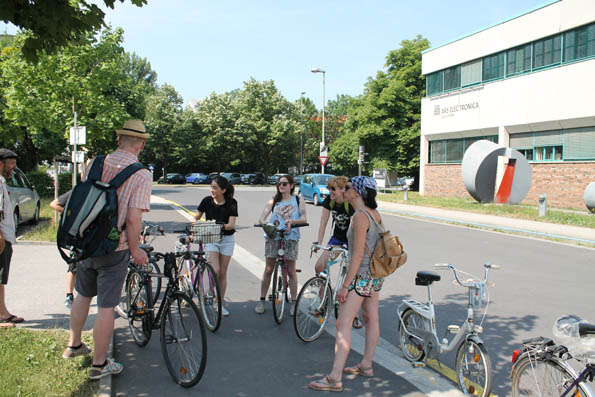
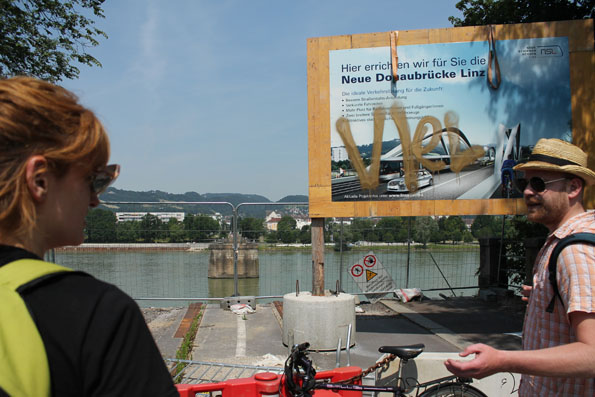
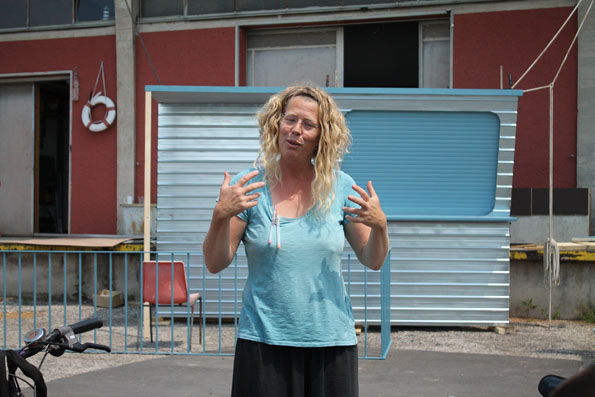
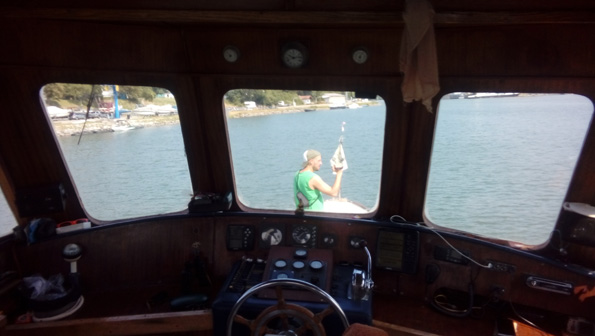
The programme included guided visits through key architectural and industrial sites in Linz, led by AFO director Franz Koppelstätter, offering the invited artists local insight into the city’s transformation from industrial center to cultural laboratory. A boat tour along the Danube was organized with Eleonore Schiff and Stadtwerkstatt, moving from cultural landscapes to industrial ones. Artist Leo Schatzl and architect Christoph Wiesmayr contributed their knowledge of the river as a transport, communication, and industrial axis in the history of Linz.
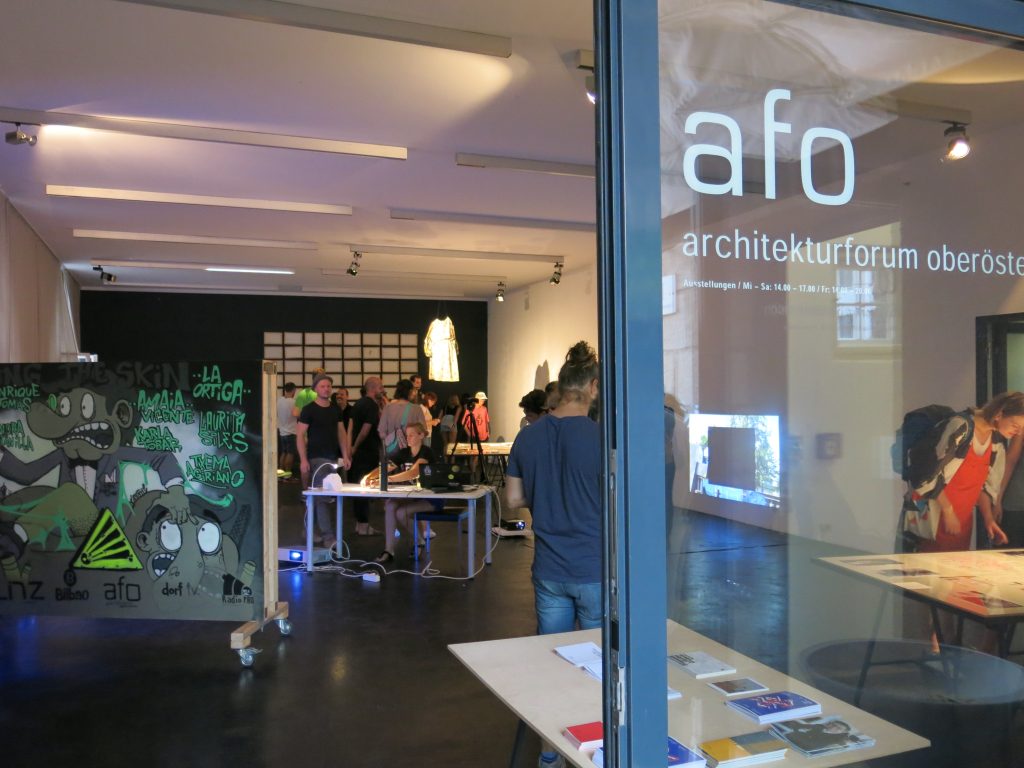
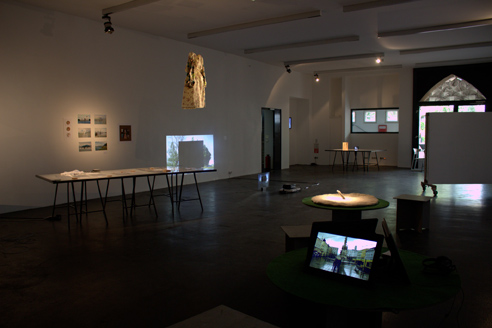
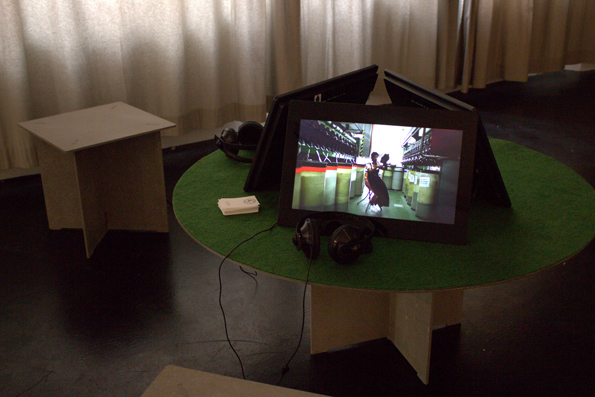
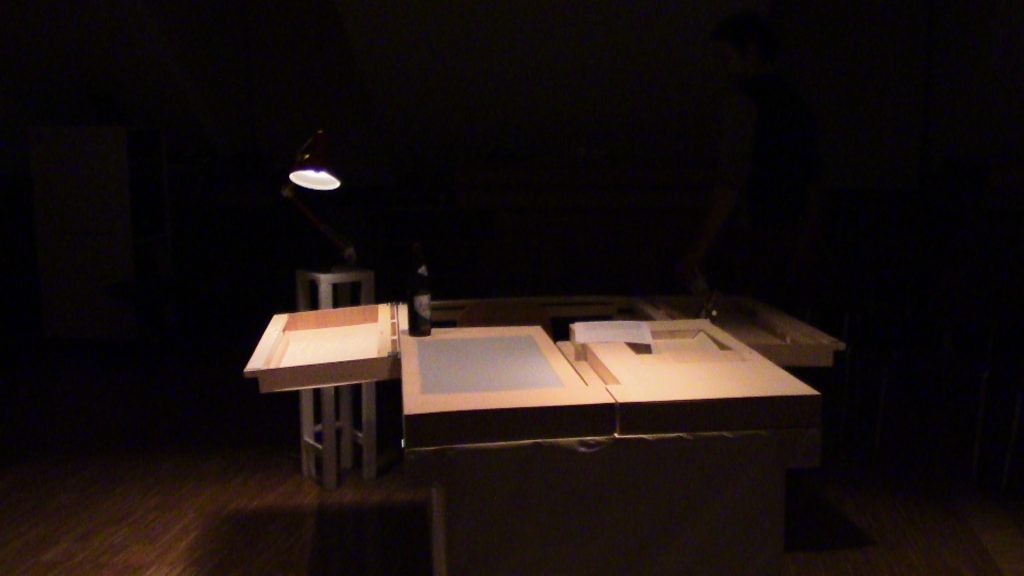
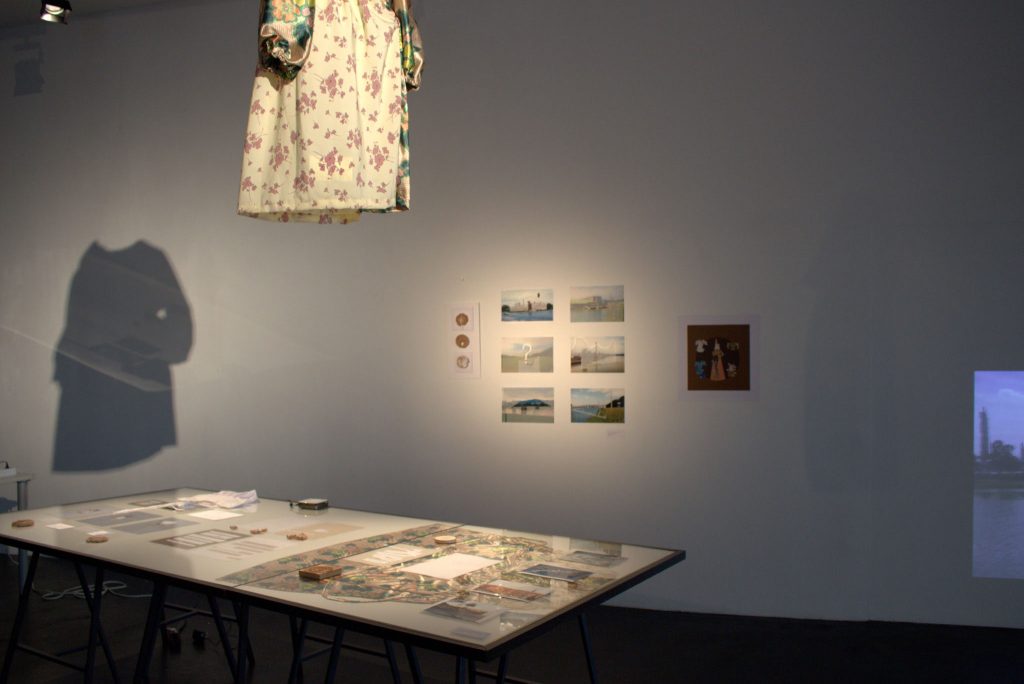
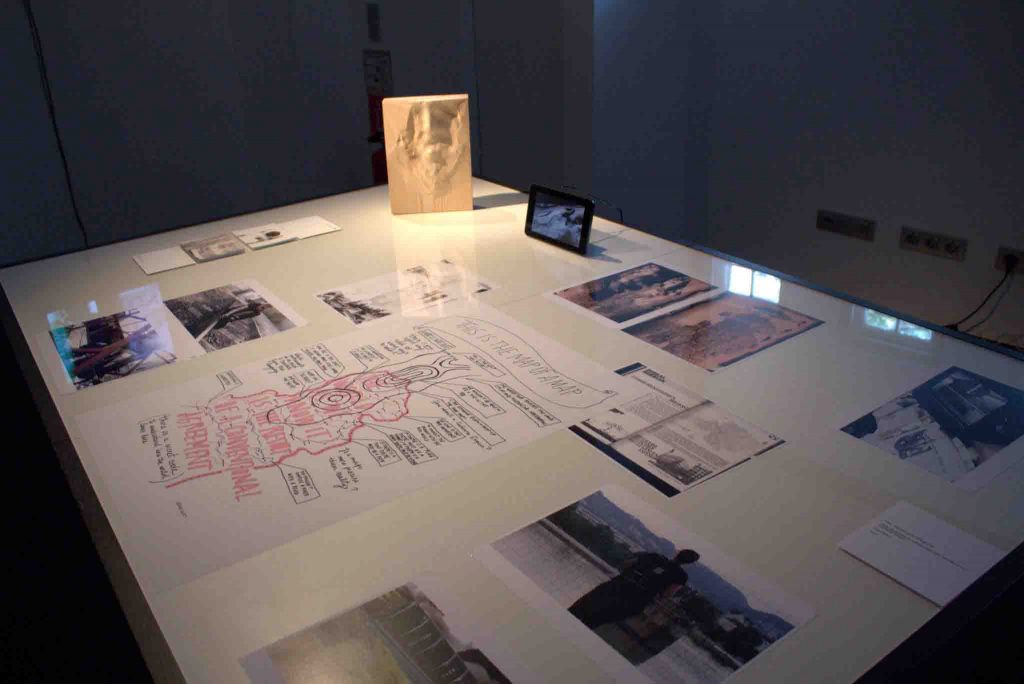
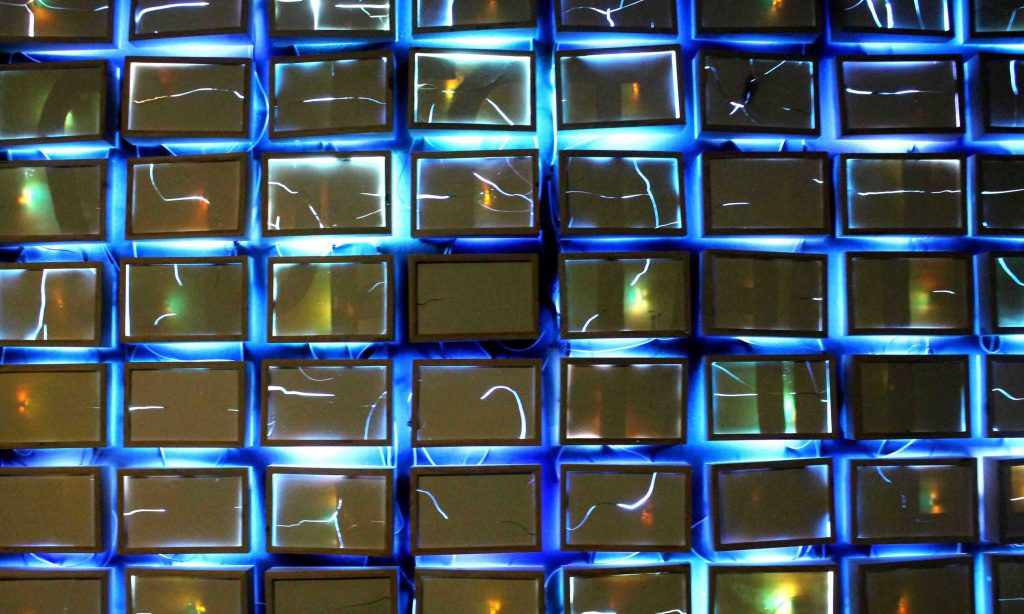
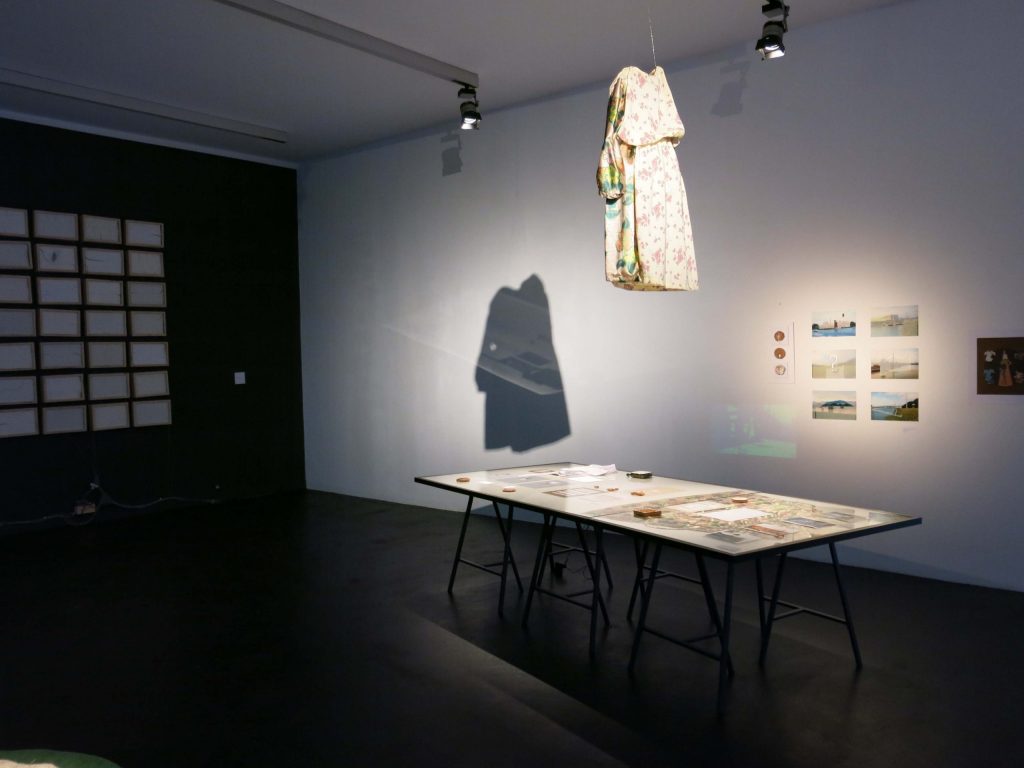

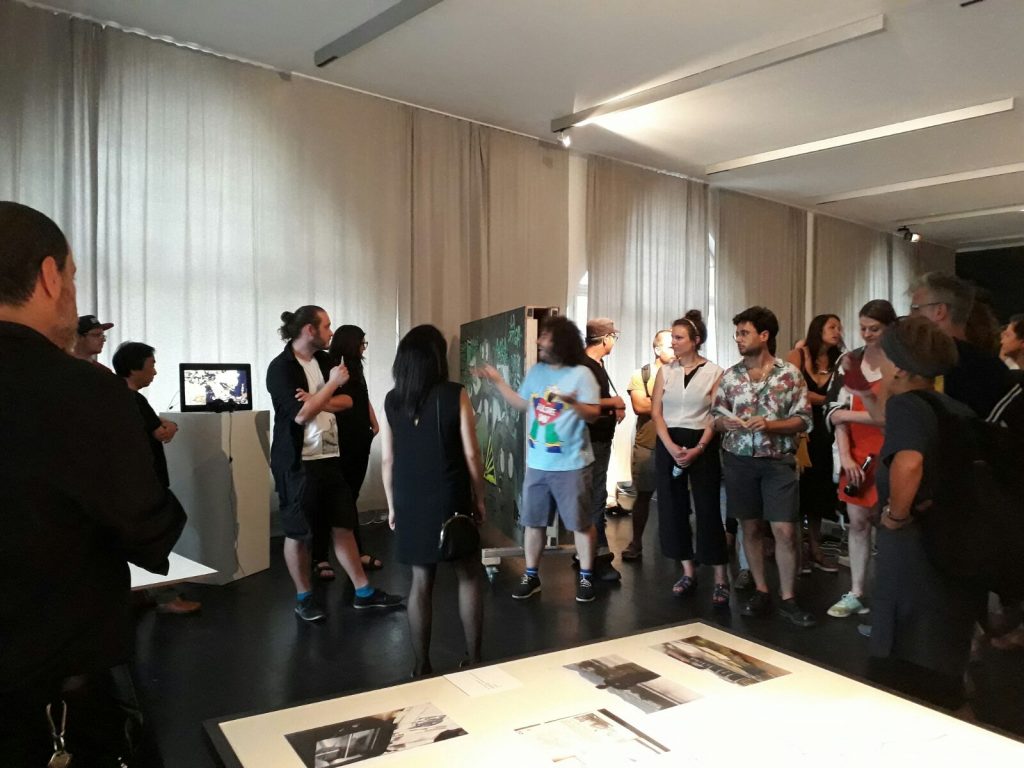
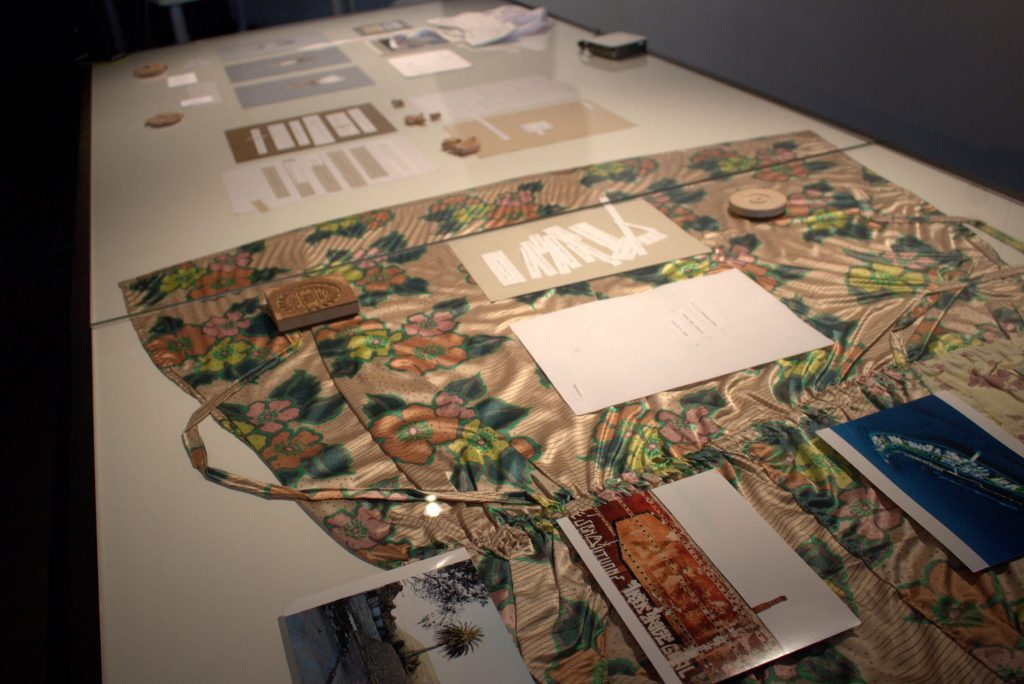

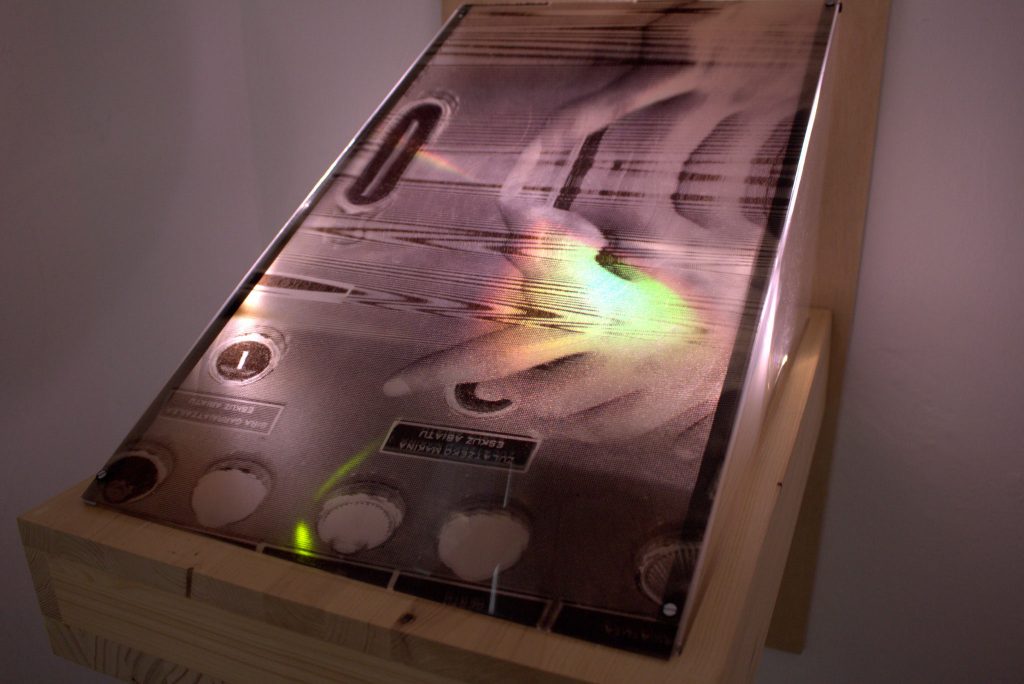
The project also unfolded through public events, performances, media collaborations, and workshops. During the opening, visitors were guided by the curators and artists through the exhibition, while performances activated the space. Graffiti artist Spek created a dedicated exhibition wall, and sound artist Enrique Tomás performed industrial poetry with local poet Tancred Hadwinger.
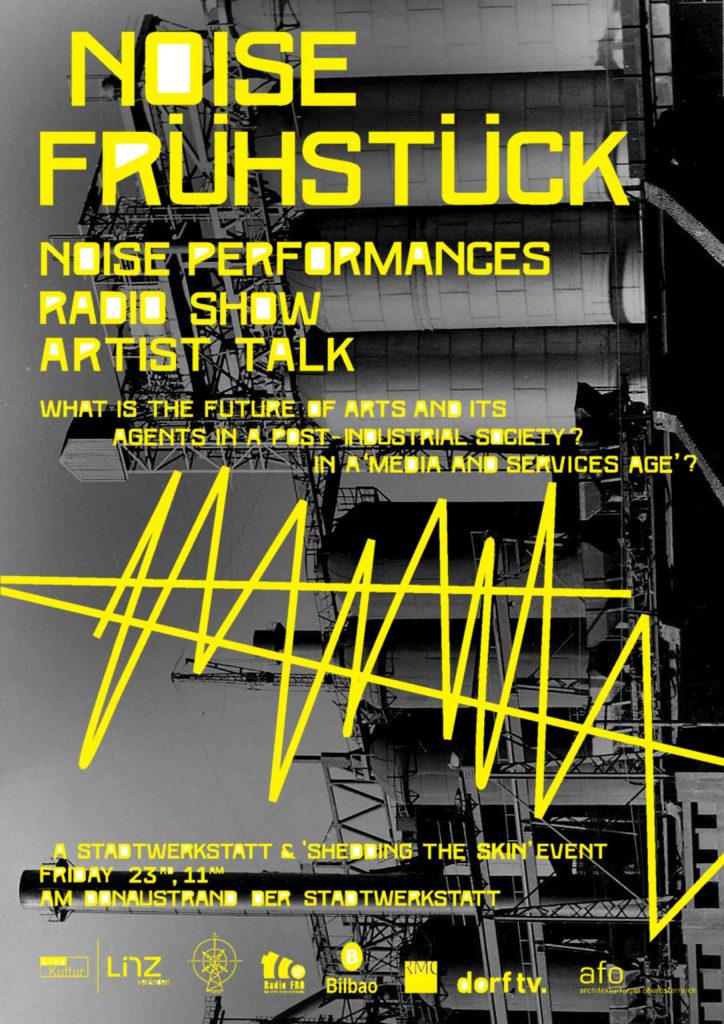
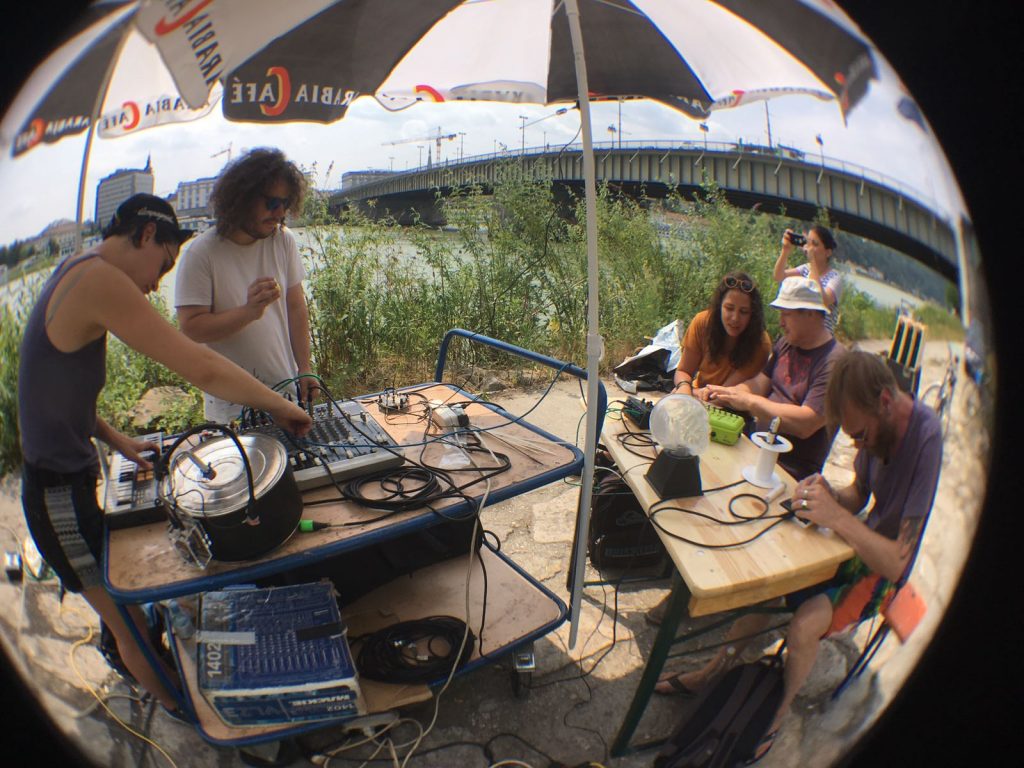
In collaboration with Stadtwerkstatt, the project also produced Noise Frühstück, a radio-based and performative event bringing together local noise artists and guest artists from Bilbao. Noise became both medium and method: a way of thinking through post-industrial transformation, artistic agency, and the role of radio as an experimental field for transmission.

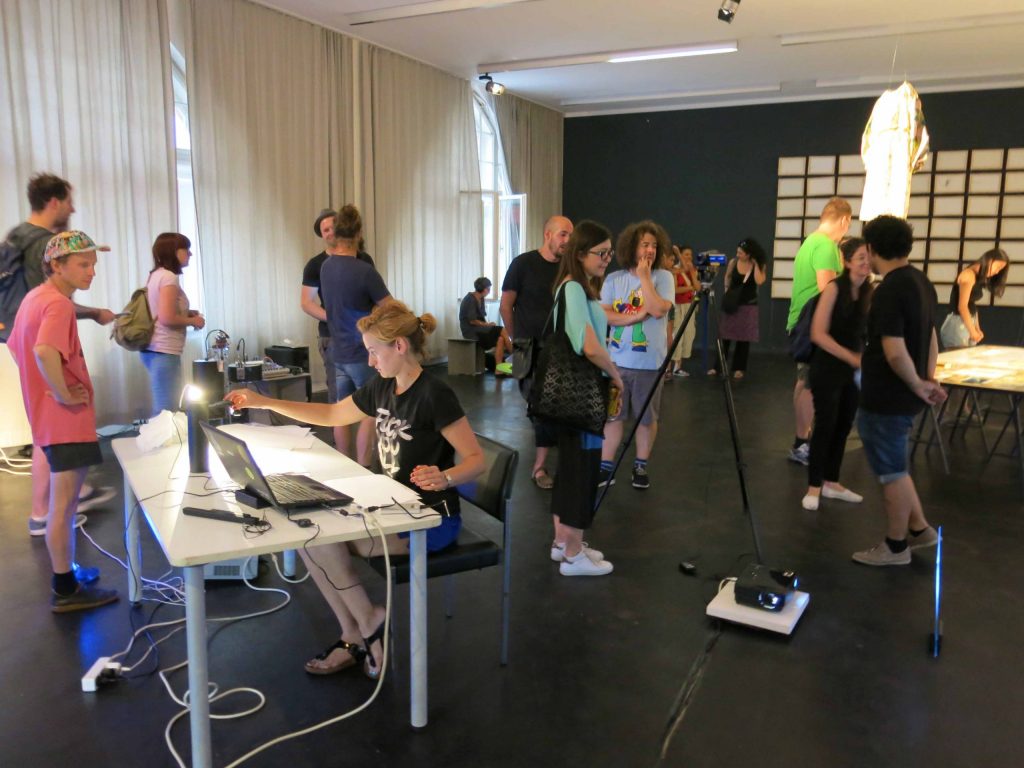
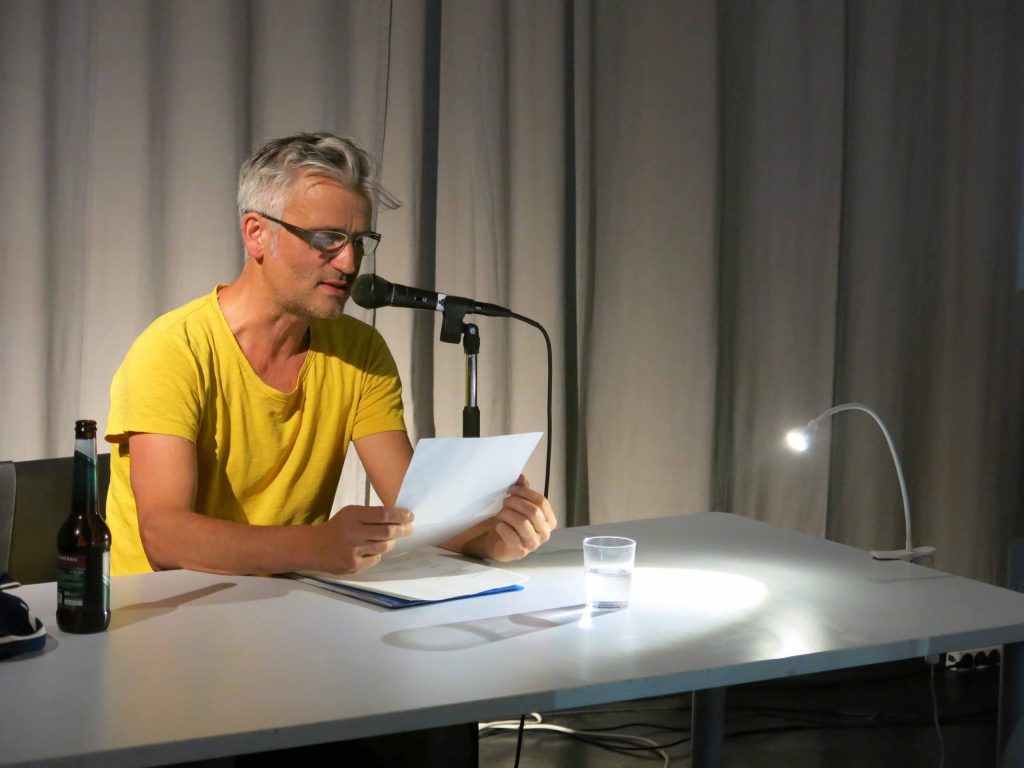

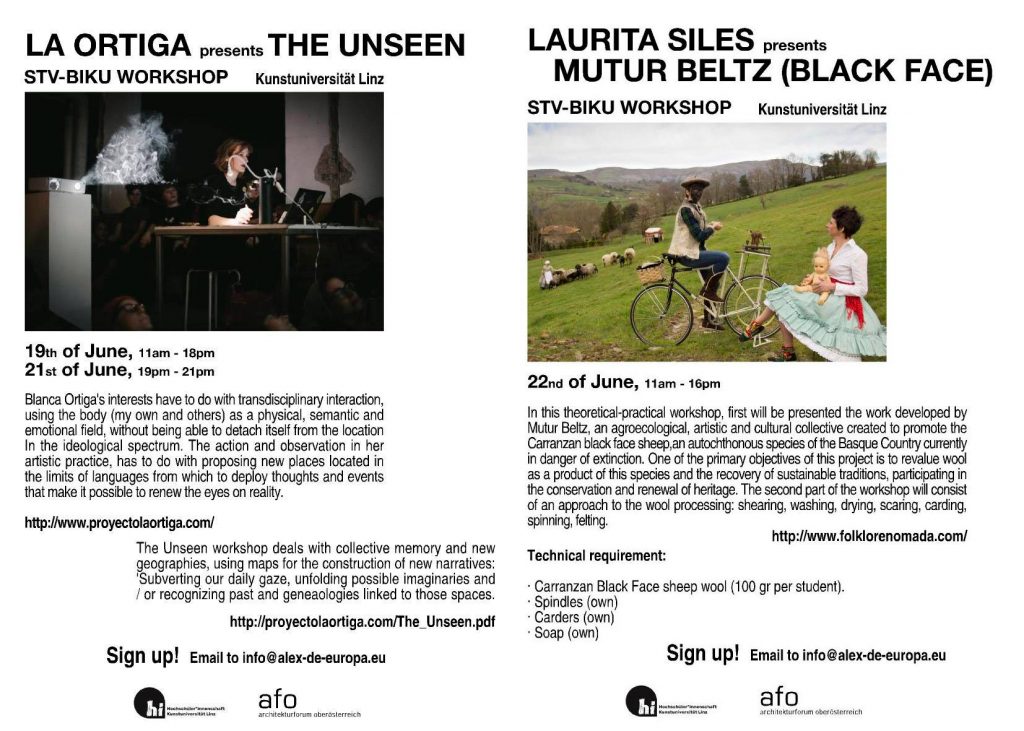
Workshops by Blanca Ortiga and Laurita Siles addressed collective memory, new geographies, sustainable traditions, heritage, and the construction of new identities. These activities expanded the project beyond exhibition-making, situating it as a space for learning, public reflection, and cultural translation between local and visiting practices.
A central achievement of Shedding the Skin was the network it created between Bilbao-based artists and Linz-based cultural agents and institutions, including AFO, Stadtwerkstatt, Radio FRO, DorfTV, and Eleonore Schiff. Each partner contributed a different infrastructure: exhibition space, residency support, radio experimentation, television production, documentation, mobility, and public encounter. Together, they formed a temporary cultural platform for exchange, production, and archival memory.
Shedding the Skin was therefore not only an exhibition, but a curatorial system: a residency, an institutional collaboration, a media archive, a public programme, and a situated inquiry into how cities, artists, and cultural infrastructures transform after industry. It examined what is shed, what remains, and what new artistic skins emerge when post-industrial cities reinvent themselves through culture.
A Collaboration with Stadtwerkstatt SWSTNoise Frühstück!
WORKSHOPS
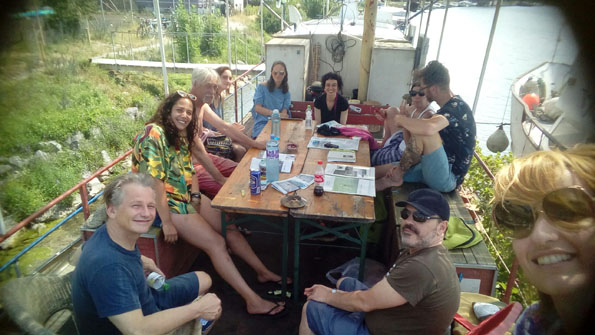
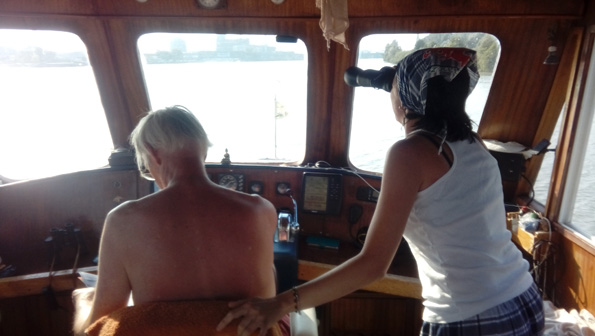
Through these collaborations, Shedding the Skin operated as a temporary network-platform between Bilbao-based artists and Linz-based cultural agents. AFO hosted the residency, production process, and exhibition; Stadtwerkstatt provided a connection to the industrial harbour and experimental cultural scene; Radio FRO opened radio as a medium for process, performance, and transmission; DorfTV functioned as a speculative television platform for interviews, performances, documentation, and broadcast; and Eleonore Schiff activated mobility, river memory, and informal exchange. Together, these partners formed a working infrastructure for cultural immersion, audiovisual documentation, public mediation, and artistic exchange.